Stall note
Ocellaris Clownfish
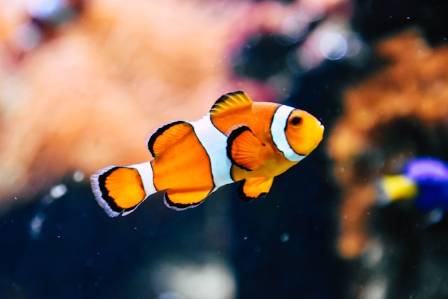
Made famous around the world by the animated film Finding Nemo, the ocellaris clownfish is one of the most beloved marine aquarium species. Its bright colors, peaceful nature, and easy care requirements make it an excellent choice for beginners.
Orion Bellamy
Curator note
Stall tip
The full note continues below on the linen catalog desk.
Aisle
Stall Desk
Made famous around the world by the animated film Finding Nemo, the ocellaris clownfish is one of the most beloved marine aquarium species. Its bright colors, peaceful nature, and easy care requirements make it an excellent choice for beginners.
These hardy saltwater fish are suitable for smaller aquariums and add a beautiful burst of orange to marine displays. They are considered reef-friendly because they generally leave corals untouched. Thanks to successful captive breeding programs, hobbyists can now choose from many different color patterns and varieties.
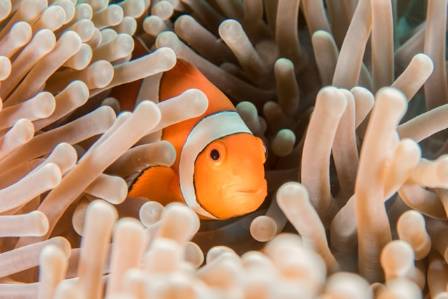
Although clownfish are often associated with sea anemones, they do not require an anemone to survive. However, they greatly enjoy having one as a natural shelter and companion.
Origin and Natural Distribution
Ocellaris clownfish originally come from areas of the Eastern Indian Ocean and Western Pacific Ocean.
Today, many clownfish available in the aquarium trade are raised through captive breeding rather than collected from the wild. When choosing a clownfish, it is always best to ask about its origin and support responsibly bred fish whenever possible.
Appearance and Color Patterns
The classic ocellaris clownfish has a bright orange body, fins with black and white edges, and three distinctive white stripes outlined in black. These bands appear behind the head, across the middle of the body, and near the tail.
Through selective breeding, many new color forms have become available. Some varieties feature black or white bodies with different stripe patterns. Their orange coloration can range from pale orange to deep reddish-orange or even dark brown-orange depending on their genetics.
Ocellaris clownfish are often confused with the closely related percula clownfish and are sometimes called the “False Percula.”
The two species can be distinguished by several features. Ocellaris clownfish usually have darker markings around their eyes, thinner black borders around their white stripes, and 11 dorsal spines. Percula clownfish typically have 10 dorsal spines, although counting them can be difficult because these active fish rarely stay still.
Compatible Tankmates
Ocellaris clownfish are peaceful marine fish that can live well with many other fish and invertebrates.
They are reef-safe and usually do not harm corals. They also enjoy interacting with soft sea anemones. Their relationship with anemones is mutually beneficial: clownfish have a protective mucus coating that helps them avoid being stung, while their movements and cleaning behaviors can help keep the anemone healthy by removing unwanted pests.
Some suitable tank companions for clownfish include:
Yellow tangs
Pacific blue tangs
Blue-green chromis
Aquarium Habitat and Care Requirements
Ocellaris clownfish are one of the easiest saltwater fish species to maintain, making them a popular option for new marine aquarium owners.
Since they typically grow only about 3 to 3.5 inches (7.6–9 cm) long, they can live comfortably in smaller marine tanks compared with many other saltwater species. They are also among the few marine fish that can adapt well to nano aquariums, as long as the tank is not overcrowded and the filtration system can properly handle waste from all inhabitants.
These clownfish are safe around reef environments and usually leave hard corals and larger invertebrates alone.
While anemones are not necessary for their health, providing one can create a more natural and enriching environment. Bubble tip anemones are often recommended for aquarists who are beginning to keep marine invertebrates.
Before adding any anemone or other invertebrate, research carefully because some species may be aggressive toward peaceful tank inhabitants.
Diet and Feeding Habits
Ocellaris clownfish are omnivores, meaning they eat both plant-based and animal-based foods.
In an aquarium, they often spend their day exploring the substrate and interacting with their surroundings. Because they are warm-water fish with active metabolisms, offering several small meals throughout the day is usually better for digestion than one large feeding.
Larger or more aggressive fish may intimidate clownfish during feeding time, so spreading food throughout the aquarium can help ensure everyone receives enough nutrition. Any uneaten food should be removed quickly to maintain good water quality.
Captive-bred clownfish usually adapt easily to high-quality pellet foods. Their diet can be supplemented with nutritious options such as brine shrimp, mysis shrimp, algae-based foods, and small amounts of vegetables.
A varied diet containing both protein sources and plant material is essential for keeping clownfish healthy.
Gender Changes and Social Structure
An interesting fact about clownfish is that all individuals are born male.
When living in a group, the largest and most dominant male will transform into a female. This process is known as protandrous hermaphroditism and also occurs in some damselfish species.
When a breeding pair forms, the female is always the larger fish. If multiple clownfish are introduced into a tank, it may take time for the largest individual to develop into the female while the others remain male.
Some aquarium sellers offer established clownfish pairs consisting of one male and one female.
Breeding Ocellaris Clownfish
Ocellaris clownfish are among the easiest marine fish to breed in captivity.
Once a bonded pair has formed, breeders can encourage spawning by providing a nutritious diet rich in protein and healthy fats. Many breeders move the pair to a separate breeding tank with excellent water quality and may include an anemone or suitable decorations to encourage natural behavior.
Female clownfish lay hundreds of small eggs on a solid surface, and the male fertilizes them afterward. After spawning, the parents usually guard and care for the eggs for more than a week.
Once the eggs hatch, the adult fish should be separated, and the tiny fry must receive specialized nutrition to support proper growth. Young clownfish require frequent feeding with high-quality fry foods, newly hatched brine shrimp, or other appropriately sized organisms.
With the right conditions and care, breeding clownfish can be a rewarding experience for marine aquarium enthusiasts.
Why Ocellaris Clownfish Are So Popular
With their vibrant colors, peaceful temperament, fascinating behaviors, and relatively simple care needs, ocellaris clownfish remain one of the most popular saltwater aquarium fish in the world.
Whether kept alone, with other reef-safe species, or alongside a beautiful sea anemone, these charming fish bring movement, personality, and natural beauty to marine aquariums.
More from this aisle
CRAFT · en
Seaside Reef
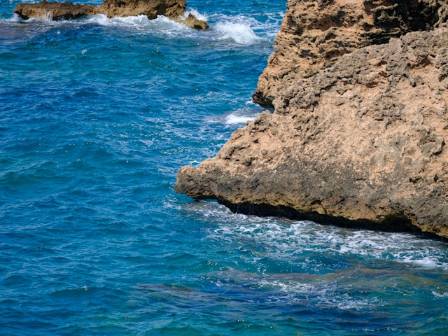
This is a really fun surf spot, and the best time to visit is in the morning when the tide is low. Some of the best surfers in San Diego come here, and the break is known as one of Rob Machado’s favorite places to surf. Many world-class surfers also make their way here. Seaside is often described as San Diego’s version of Trestles.
CRAFT · en

Five robotic systems that can paint like human artists
The growing overlap between robotics and the art world is producing remarkable outcomes, gradually blurring the boundary between human imagination and machine-driven production.
CRAFT · en

China's Top 10 Cities for Breathtaking Nightscapes
As darkness descends, cities across China illuminate in a dazzling display of lights, creating a golden tapestry that transforms the night into a vibrant spectacle. This glittering veil not only brightens the evening but also reveals each city's unique energy and prosperity. Here are our top recommendations for experiencing the most magnificent night views in China.
CRAFT · en
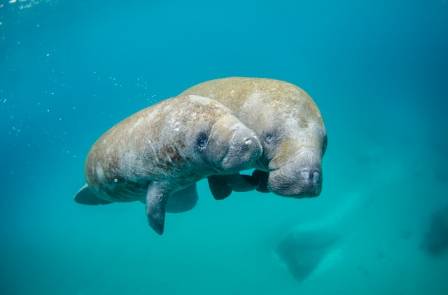
An In-Depth Look at the Florida Manatee and Its Global Relatives
The manatee is a massive, slow-moving aquatic mammal that thrives in shallow, temperate waters. Often called "sea cows," these peaceful creatures are vital to their ecosystems, acting as natural landscapers by managing the density of aquatic flora. Despite their size and resilience, they remain highly susceptible to environmental changes and human activity, making their protection a priority for conservationists.
CRAFT · en

Top 10 Best Gas Mileage Sedans
For drivers seeking to save at the pump without sacrificing practicality, comfort, or value, fuel-efficient sedans remain an unbeatable choice. These models blend impressive miles per gallon (MPG) ratings with everyday usability—spacious interiors, reliable performance, and competitive pricing—making them ideal for commuters, families, and budget-conscious buyers alike. Below, we’ve curated the top 10 sedans with the best gas mileage, each proving that efficiency doesn’t have to come at the cost of quality.
CRAFT · en

Elegant Afternoon Teas Worldwide
Looking for a luxurious way to spend an afternoon indoors? An elegant afternoon tea is the perfect indulgence—offering refinement, atmosphere, and exquisite bites without needing to spend extravagantly. Whether you’re entertaining guests or treating yourself, these five lavish afternoon tea experiences around the world promise unforgettable charm and sophistication.