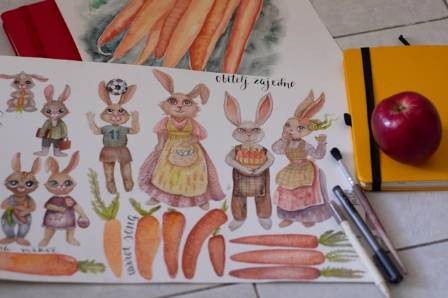
Stall note
Cute Rabbits to Draw
There’s nothing quite as heartwarming as watching your pet rabbit—the twitching little nose, ears perked up with curiosity, and that adorable way they curl into a tiny loaf of fluff. Capturing that personality on paper is a wonderful way to celebrate your furry companion, and the great news is, you don’t need professional skills to start.
Taylor Reed
Curator note
Stall tip
The full note continues below on the linen catalog desk.
Aisle
Stall Desk
There’s nothing quite as heartwarming as watching your pet rabbit—the twitching little nose, ears perked up with curiosity, and that adorable way they curl into a tiny loaf of fluff. Capturing that personality on paper is a wonderful way to celebrate your furry companion, and the great news is, you don’t need professional skills to start.
If you’ve ever wanted to learn how to illustrate cute, lively rabbits, you’ve come to the right place.
This guide is designed specifically for indoor rabbit owners and fans of these cuddly creatures. We’ll go beyond generic sketches and focus on the breeds, poses, and quirky expressions you see every day. From sketching a napping Holland Lop to illustrating a “binky” mid-jump, we’ll provide step-by-step instructions to help you turn your love of rabbits into charming artwork.
Gather Your Supplies and Find Inspiration
You don’t need a fancy art studio to start drawing. A few basic tools are enough to get going. Grab a standard pencil (an HB or #2 works well), a quality eraser, and smooth paper from a sketchbook or printer. If you prefer digital drawing, any tablet and stylus paired with a drawing app will work perfectly.
Your greatest inspiration is likely hopping around your home right now. Observe your pet carefully.
Notice their shapes: Observe how they curl into a soft, oval loaf when resting, and how their posture changes when standing up on their hind legs.
Study their features: Watch their ears pivot like little radar dishes and see how subtle fur patterns and the constant twitch of their nose convey emotion.
Capture poses: Keep your phone handy to take quick reference photos of your bunny flopped in bliss, grooming, or exploring. These images will be invaluable for drawing accurate poses later.
Start with Simple Shapes
All great drawings start with simple forms. Breaking a complex subject like a rabbit into circles, ovals, and triangles makes it easier to get proportions right. For a cute aesthetic, exaggerating features such as large eyes and heads helps enhance charm.
Side Profile Basics:
Head and body: Draw a medium circle for the head, and attach a larger horizontal oval for the body, making sure they touch.
Hips and legs: Add a circle at the back for the hip. Draw a long narrow oval for the back leg and a smaller shape for the front leg peeking out.
Connecting lines: Smoothly connect these shapes to form the back, belly, and neck. Keep lines light—they’re just guides.
Features: Add a long, leaf-shaped ear, a small almond eye, a tiny upside-down triangle for the nose, and a puff for the tail.
3/4 View:
Foundation: Draw the head circle and slightly overlap a larger body oval behind it to create depth.
Guidelines: Add a vertical curve down the head and a horizontal line across it to position facial features evenly.
Ears: Draw two ears; the far ear appears narrower and slightly behind the closer one.
Facial features: Position eyes along the vertical guideline, just below the horizontal line, and place the nose at the bottom intersection.
Practice these basic forms until they feel natural.
Capture Different Breeds and Personalities
Each rabbit breed has unique traits you can convey in your drawings.
Netherland Dwarf: Round and compact
Head: Large circle for a baby-like cuteness.
Face: Big, bright eyes; short, sturdy ears.
Body: Small, almost spherical oval.
Holland Lop: The floppy-eared friend
Head: Slightly squared circle with full cheeks.
Ears: Hang heavily from the crown, framing the face.
Body: Stout oval low to the ground.
Lionhead: Fluffy mane
Head: Standard circle.
Mane: Jagged cloud-like lines around the head and under the chin, created with short strokes for texture.
Rex: Velvety fur
Shape: Standard body outline.
Texture: Smooth lines with fine, short strokes to suggest dense fur. Whiskers can be curly and broken-looking.
Bring Life with Details
Eyes:
Place them wide apart for cuteness.
Draw large, rounded ovals with a highlight to make them appear shiny.
Eye shape and highlight placement convey different moods.
Nose and mouth:
Use a small inverted Y or V for the nose and a curved line beneath for a mouth.
Draw whiskers with long, confident strokes from small dots on the muzzle.
Sketch Iconic Poses
Binky: Rabbit mid-air with arched back and legs off the ground.
Curious sniff: Head forward, ears alert, nose twitching.
Cozy loaf: Paws tucked underneath, compact and peaceful.
Create a Simple Scene
Place your rabbit in a familiar environment for storytelling.
Background elements: Simple shapes—rectangles for rugs, semi-circles for tunnels.
Props: Hay piles, toys, or water bowls.
Interaction: Draw your bunny nudging a ball or chewing a stick to bring life to the scene.
Your drawings can serve as a visual diary of your bunny’s personality, capturing the daily joy of indoor rabbit life.
Practice and Develop Your Style
Mastering cute rabbit drawings is a rewarding journey. Start with simple shapes, study anatomy, and refine key features like expressive eyes and fluffy fur. Practice consistently from observation, photos, or imagination. Experiment with styles from cartoonish to realistic until you find your voice. Every line brings you closer to capturing the irresistible charm of rabbits.
Pick up your pencil, find a comfortable spot, and let your creativity hop onto the page—the perfect model is already right in front of you.
More from this aisle
CRAFT · en
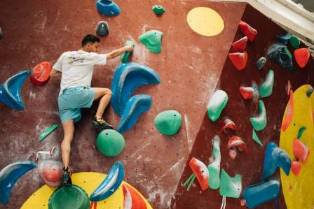
Exploring the World of Free Climbing: A Comprehensive Guide
Free climbing, an exhilarating discipline within the world of rock climbing, invites enthusiasts to ascend natural rock formations using minimal equipment, relying on skill and strength rather than artificial aids for upward progress. This guide provides an in-depth exploration of free climbing, its subtypes, and essential safety considerations.
CRAFT · en
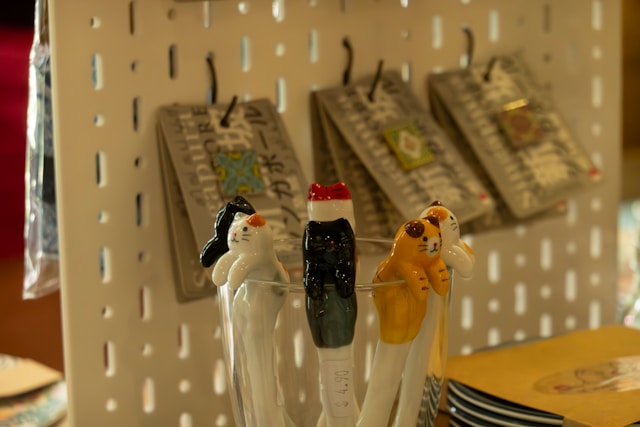
Tiny animal figurines
Welcome to Camp Hollow’s exclusive selection of the World’s Smallest Porcelain Animal Figurines. These miniature animal figures are delicately made from ceramic and porcelain, designed to add a gentle sense of wonder and delight to any collection.
CRAFT · en
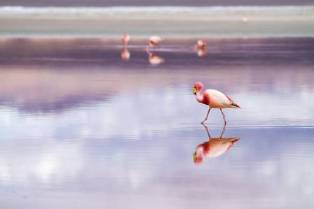
Extraordinary Traits and Peculiarities of the Flamingo
Flamingos are renowned for their vibrant appearance, but this family of birds possesses many remarkable characteristics beyond their pink feathers. From their highly social nature to their specialized biological adaptations, these birds occupy a unique niche in the avian world.
CRAFT · en

Underwater Exploration
Oceanographers often employ drilling and coring methods to collect samples from the seabed. One such device, the gravity corer, replaces the sampler on the Baillie sounding machine with a weighted, open-ended tube that is triggered to descend and penetrate sediments upon contact.
CRAFT · en

Top Cities For Night Views
While browsing through a camera store one evening, I started thinking about nighttime photography. Looking back at the outdoor pictures I have shared, I realized that almost all of them were taken during the day. That made me want to explore some of the world’s most beautiful cities after dark.
CRAFT · en
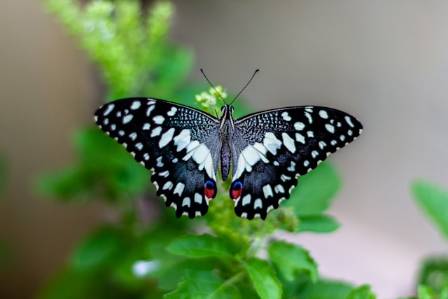
Why Butterflies Matter
Butterflies (and moths) are far more than just beautiful insects. They play a number of vital roles for ecosystems, science, culture, and people. Below are the main reasons given by Butterfly Conservation, along with some additional context.