Stall note
The Artistic Journey: From Conceptualizing to Completing a Mosaic Masterpiece
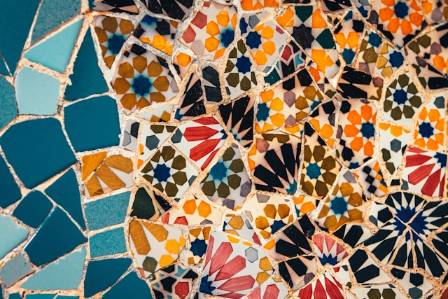
Creating mosaic art is far more than a simple assembly of fragments; it is the process of manifesting a vision into a tactile and visual reality. While a finished piece may appear seamless or even spontaneous, its beauty is the result of countless deliberate choices regarding color, texture, and precision. Whether you are crafting a large-scale mural, a unique tabletop, or an intricate lamp, the journey from initial thought to the final polished glass follows a structured creative path.
Marjorie Alice Ellington
Curator note
Stall tip
The full note continues below on the linen catalog desk.
Aisle
Stall Desk
Creating mosaic art is far more than a simple assembly of fragments; it is the process of manifesting a vision into a tactile and visual reality. While a finished piece may appear seamless or even spontaneous, its beauty is the result of countless deliberate choices regarding color, texture, and precision. Whether you are crafting a large-scale mural, a unique tabletop, or an intricate lamp, the journey from initial thought to the final polished glass follows a structured creative path.
This ancient craft translates imagination into a permanent form. Every project—no matter the size—undergoes a series of organized phases where planning, material selection, and technical execution converge.
Essential Inventory for DIY Mosaic Creation
Before beginning your project, gather the necessary supplies to maintain focus and ensure a smooth workflow. A standard mosaic toolkit typically includes:
Materials and Surfaces
-
Tesserae: Various tiles made of glass, ceramic, stone, or mirror.
-
Embellishments: Found objects like shells, beads, or pebbles.
-
Substrate: A base surface such as a wooden panel, flower pot, lamp base, or concrete slab.
Adhesives and Tools
-
Glues: White craft glue for small items, clear silicone for glass-on-glass work, or thin-set mortar for outdoor installations.
-
Cutting Tools: Tile nippers or wheeled glass cutters for shaping pieces.
-
Safety Gear: Protective goggles and gloves.
Grouting and Finishing
-
Grout: Available in various colors to fill the gaps between tiles.
-
Application Tools: Rubber floats, sponges, and soft cloths for polishing.
-
Sealer: Used to protect the finished work from moisture or heat.
The Eight Steps of the Mosaic Process
1. Conceptualizing the Idea
Every masterpiece begins with a core concept. This might range from a simple geometric pattern or a floral motif to a complex historical scene. At this stage, the artist decides the primary theme and the final location of the work—whether it will hang on a wall, wrap around a lamp, or serve as a functional tabletop.
2. Drafting the Design
Once the concept is clear, it is translated into a visual sketch. Artists often draw the design directly onto the substrate or on paper at full scale. This phase is crucial for establishing balance and managing space. For curved objects like vases, designers must account for distortion to ensure the pattern flows naturally around the contours. Color palettes are also finalized here to establish the desired mood and contrast.
3. Selecting the Right Materials
The choice of material dictates the character of the mosaic. Glass is favored for its light-reflective properties in decorative lamps, while ceramic tiles are chosen for their durability on functional surfaces like floors. Natural stone offers an earthy, timeless texture, and mirror fragments provide sparkle. Each material is selected based on how it will interact with the light in its final environment.
4. Preparing the Substrate
The backing surface must be clean and sturdy enough to support the weight of the tiles and adhesive. Common bases include MDF or wood for indoor art, concrete for murals, and glass for translucent jars. For complex or curved surfaces, artists often segment the work into zones to maintain symmetry and balance throughout the application.
5. Arranging the Tesserae
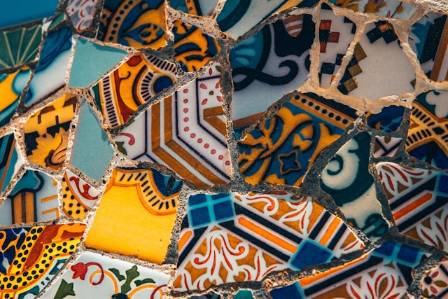
This is the heart of the process, where individual pieces—known as tesserae—are placed according to the sketch. Artists may use the "direct method," gluing pieces straight onto the final surface, or the "indirect method," arranging them temporarily before transferring them. Great care is taken regarding the "interstices" (the gaps between pieces), as the spacing creates the rhythm and flow of the design.
6. Applying the Adhesive
Different adhesives serve specific needs. Silicone is ideal for glass-on-glass projects, while mortar is used for heavy-duty outdoor murals. In vertical projects like lamps, quick-setting transparent glues are preferred to prevent pieces from sliding. Applying the adhesive in sections allows for minor adjustments before the bond becomes permanent.
7. Grouting the Design
Grout serves as the "connective tissue" of the mosaic, filling the voids between tiles to create a unified surface. The color of the grout can drastically alter the artwork’s appearance: black grout makes vibrant colors pop, while white grout creates a softer, more blended aesthetic. Some decorative glass-on-glass designs skip this step to maintain transparency, but functional surfaces almost always require it for stability and hygiene.
8. Final Refinement and Polishing
After the adhesives and grout have fully cured, the mosaic is inspected for any rough edges or gaps. The surface is cleaned of excess residue and polished with a soft cloth to bring out the shine of the tiles. Finally, a sealer may be applied to protect the work from the elements, ensuring the craftsmanship endures for years to come.
Through these deliberate steps, a simple collection of fragments is transformed into an expressive work of art characterized by depth, movement, and enduring beauty.

More from this aisle
CRAFT · en

Forbes’ 2025 Valuation of NFL Franchises
Forbes’ latest annual assessment, published on August 28, 2025, reveals a striking rise in the financial power of the National Football League (NFL). The average valuation of the league’s 32 teams has reached an estimated $7.1 billion, reflecting a 25 percent increase compared to the previous year — a remarkable surge that underscores the league’s unmatched commercial momentum. (Sources: Reuters, Bleacher Report)
CRAFT · en
Best Solid Wood Storage Cabinets for Home & Office
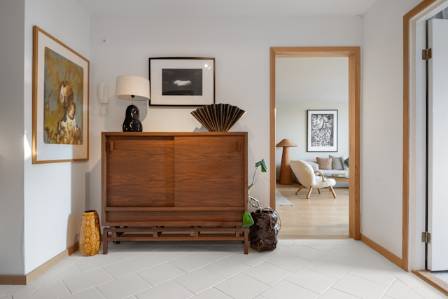
Keeping a home or office organized becomes much easier with the right furniture. A thoughtfully designed storage cabinet not only reduces clutter but also improves the overall appearance and comfort of a room. Among the many storage options available today, solid wood cabinets remain one of the most popular choices because of their durability, timeless style, and ability to blend effortlessly with different interior designs. Whether placed in a bedroom, kitchen, living room, or workspace, a solid wood cabinet adds warmth, character, and functionality.
CRAFT · en

Top Cities For Night Views
While browsing through a camera store one evening, I started thinking about nighttime photography. Looking back at the outdoor pictures I have shared, I realized that almost all of them were taken during the day. That made me want to explore some of the world’s most beautiful cities after dark.
CRAFT · en

David by Michelangelo: A Renaissance Icon
The biblical narrative of David, the youthful shepherd who conquered Goliath, captivated the imaginations of Renaissance sculptors. Yet, none reached the towering heights of fame attained by Michelangelo Buonarotti's rendition. This masterpiece stands as an exceptional work of art for a multitude of reasons.
CRAFT · en

Berlin’s Must-See Top 5 Graffiti and Street Art Murals
The birth of Berlin’s street art scene can be traced back to 1961 when the Soviet Union erected the Berlin wall, separating East Germany from West Germany. Due to the symbolic significance of the wall as a divisive medium, it became the obvious place for the citizens of Berlin to express their opinions and frustrations on a whole range of issues.
CRAFT · en

Compelling Insights Into the World of Overlanding
The popularity of off-road exploration has surged significantly in recent years. Data from Global Market Insights indicates that sales in the off-road sector exceeded $15 billion in 2020, with a projected annual growth rate of 7%. Furthermore, the recreational vehicle segment of this industry is experiencing double-digit yearly increases. Interestingly, overlanding has surpassed market expectations, reaching sales figures years ahead of original forecasts. This niche hobby has seen an explosion in growth, likely due to the increased desire for remote travel following the global pandemic.