Stall note
Antirrhinum majus: From Greenhouse Production to Floral Arrangements
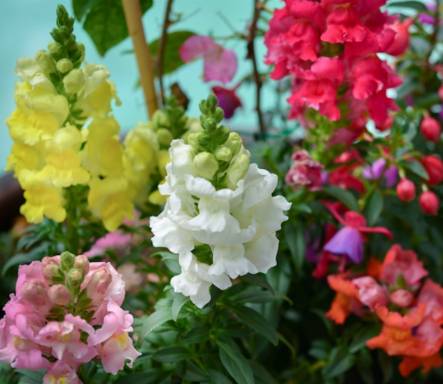
Snapdragon (Antirrhinum majus) belongs to the Scrophulariaceae family. The name Antirrhinum originates from Greek, meaning “nose-like,” referring to the distinctive form of its blossoms. Each flower is approximately 1¼ to 1½ inches long, with a tubular structure and rounded upper and lower lips. Depending on the variety, flowers may be single, double, or open-faced (commonly called “butterfly” types) that lack a defined lip.
Charlotte Moore
Curator note
Stall tip
The full note continues below on the linen catalog desk.
Aisle
Stall Desk
Snapdragon (Antirrhinum majus) belongs to the Scrophulariaceae family. The name Antirrhinum originates from Greek, meaning “nose-like,” referring to the distinctive form of its blossoms. Each flower is approximately 1¼ to 1½ inches long, with a tubular structure and rounded upper and lower lips. Depending on the variety, flowers may be single, double, or open-faced (commonly called “butterfly” types) that lack a defined lip.
A single stem can support as many as 15 closely packed flowers and may grow up to 3 feet long when cut. The tall flower spikes and wide range of colors make snapdragons highly versatile for floral arrangements, offering numerous creative possibilities for both florists and consumers. Most stems available in floral shops are produced in greenhouses under controlled conditions to ensure they are long, straight, and uniform. However, many people favor the more natural and relaxed appearance of snapdragons grown outdoors in fields. These plants are simple to cultivate in rows and are available in many different color variations.
Production
Snapdragons are classified into four groups (I–IV) based on how their growth and flowering respond to seasonal temperature changes and day length. Group I varieties bloom in winter under short days and low light conditions. Group II types flower from late winter into early spring as light and temperatures begin to rise. Group III cultivars are suited for spring flowering, while Group IV varieties perform best under long days, high light intensity, and nighttime temperatures above 60°F (16°C). Growers must carefully select cultivars according to seasonal conditions to ensure successful production.
These plants are annuals that thrive in full sun to partial shade, especially during cooler seasons. Seeds typically sprout within 7–14 days at temperatures between 70–75°F. Light is necessary for germination, though covering seeds lightly with vermiculite helps retain moisture and reduce algae growth. It is best to water from below or mist gently to avoid disturbing the seeds. Seedlings should be transplanted into larger containers when their first true leaves develop, usually 3–4 weeks after sowing. Pinching young plants back to about 1½–2 inches tall when they reach 3–4 inches in height can encourage branching. Direct sowing is not advised. For outdoor growing, seeds should be started 8–10 weeks before the last frost. Plants should be spaced 4–12 inches apart.
Weed control is essential, as weeds compete with crops for water, nutrients, and sunlight, reducing flower production and increasing susceptibility to pests and diseases. Effective weed management may involve cultivation, mulching, or a combination of cultural and chemical methods, depending on available resources and costs.
High humidity, overhead irrigation, and plant debris can increase the risk of diseases. Common issues affecting snapdragons include anthracnose, botrytis blight, rust, powdery mildew, downy mildew, and root rot. Accurate identification of diseases is critical for proper control.
Anthracnose appears as yellow spots that turn white with brown edges and may cause leaf death or stem damage. Botrytis blight causes petals to brown and develop gray fungal growth. Downy mildew results in stunted growth, downward-curling leaves, and fungal growth on the undersides. Powdery mildew shows as white fungal patches on leaves and stems. Root rot is often indicated by wilting; affected roots may appear dark or damaged. Rust produces small yellow bumps that release rust-colored spores.
Maintaining good sanitation is the most effective way to manage diseases. Removing plant debris helps interrupt pathogen life cycles. Drip irrigation can reduce disease by minimizing moisture on foliage. Fungicides such as chlorothalonil, thiophanate-methyl, mancozeb, and copper-based products are commonly used when necessary.
Common insect pests include aphids, whiteflies, leafminers, caterpillars, and mites. Regular monitoring allows early detection and easier control. Neem oil or insecticidal soap can help manage aphids, whiteflies, and mites. Leafminers can be controlled with spinosad, while caterpillars may be treated with various insecticides, including Bacillus thuringiensis (Bt) for young larvae.
When using pesticides, it is essential to follow all label instructions carefully, including application rates and safety guidelines.
Harvest and Handling
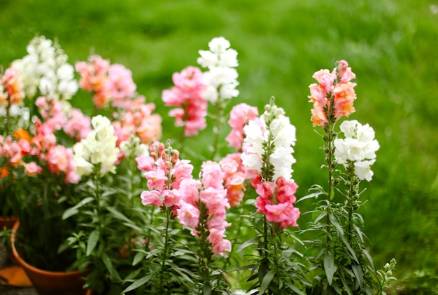
For single-cut production, stems may reach 12–60 inches in height, while multiple harvests per plant typically yield shorter stems of 12–36 inches. Ideal harvest timing is when several lower flowers on the spike have opened, while upper buds remain closed but show good color. Removing tight tips can encourage faster blooming of remaining flowers.
Snapdragons are sensitive to ethylene gas, which can accelerate aging and reduce vase life. Some varieties are more resistant, but others benefit from treatments such as 1-MCP or silver thiosulfate (STS) to prevent premature flower drop.
Postharvest treatment with floral solutions containing sugar can improve flower quality. Stems should always be stored upright, as they tend to bend if placed horizontally. Proper storage conditions include temperatures of 33–35°F and protection from moisture loss using polyethylene wrapping.
Cultivar Recommendations
Snapdragons are divided into garden types and greenhouse types. For outdoor production, garden varieties are recommended, as greenhouse types are bred for controlled environments.
Recommended series include:
Madame Butterfly Series – double flowers in shades such as bronze, yellow, ivory, pink, and red
Chantilly Series – early, open-faced blooms in colors like light pink, cream, white, and purple (Group I–II)
Rocket Series – strong stems and good branching, available in white, orchid, red, and gold (Group III–IV)
Potomac Series – suitable for both field and greenhouse production, with a wide color range (Group III–IV)
Design Applications
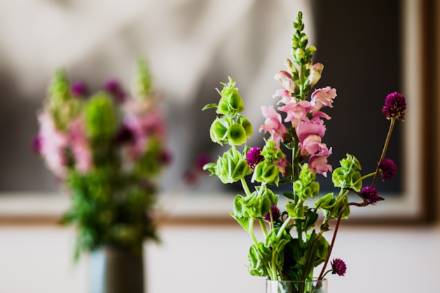
Snapdragons function well as line flowers in arrangements and can also stand alone for striking visual effects. For example, designs using ‘Chantilly Bronze’ highlight their open-faced blooms and vibrant coral tones.
A classic triangular arrangement features a three-sided display, with flowers primarily visible from the front and sides, making it suitable for placement against walls or on platforms. Creating balanced designs involves establishing the height, width, and depth with initial stems, then adding more material evenly to maintain symmetry.
Containers may be constructed from natural materials such as wood and branches, lined with waterproof layers and fitted with floral foam. The foam should be soaked properly and secured with wire to keep it stable. Floral food solution should be added to sustain the arrangement without making it difficult to handle.
More from this aisle
CRAFT · en

Top 10 Beach Picnic Recipes for Summer
Beach picnics call for portable, make-ahead foods that hold up well in coolers and can be eaten cold or at room temperature—no messy grills or hot dishes required. Below are the first 10 recipes from the 43-strong roundup, perfect for a sunny day by the shore:
CRAFT · en
Dolphin Art Inspired by Hawaii
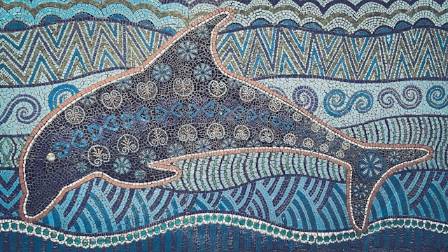
One of the reasons Lassen chooses dolphins as a central theme is his inspiration drawn from Hawaii’s abundant natural beauty. The Hawaiian Islands boast crystal-clear waters and a rich diversity of marine life, with dolphins standing out as an emblematic species. Revered in many cultures for their intelligence, playfulness, and harmony with nature, dolphins captivate Lassen, who translates their elegance and energy into his artwork.
CRAFT · en
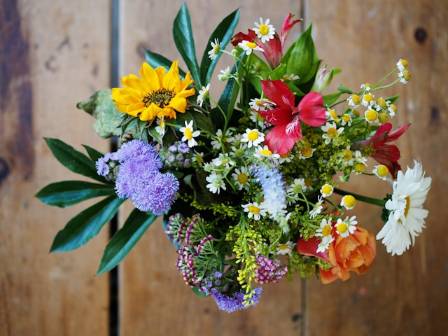
A Simple Guide to Floral Arranging
Over time, I’ve gained a bit of a reputation as a flower enthusiast. While I’m not a professional florist, I dedicated considerable time to studying floral design while working on my craft book. Gardening has only deepened my passion for arranging flowers, and now I seize every opportunity to create bouquets as gifts for loved ones. With years of practice behind me, I’m proud of my progress and eager to share my knowledge. Here’s a simple beginner’s guide to crafting stunning floral arrangements—from drawing inspiration and building structure to essential design principles and flower care tips. Join me as I assemble this charming arrangement featuring classic spring blooms like tulips and daffodils!
CRAFT · en
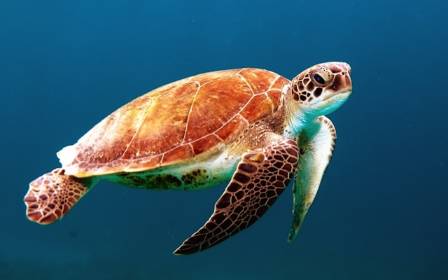
Wonders of Wildlife’s Sea Turtle Center: Rescuing and Rehabilitating Endangered Turtles
Johnny Morris' Wonders of Wildlife National Museum & Aquarium (WOW) in Springfield, Mo., has once again stepped up for endangered sea turtles, welcoming its fourth group of critically ill loggerheads alongside its first-ever group of green and Kemp’s ridley sea turtles. The 16 cold-stunned turtles arrived on January 25 via private aircraft, part of a rescue mission coordinated by Turtles Fly Too, NOAA, the New England Aquarium, and the U.S. Fish and Wildlife Service. Flown from Boston to Springfield, they were met by WOW’s expert animal care team and transported to the aquarium’s Sea Turtle Center—marking the fourth consecutive year WOW has participated in such rescue efforts, aligning with founder Johnny Morris’ vision to inspire conservation among Midwestern families.
CRAFT · en

Rare Classic Wagons
Wagons have long been celebrated as some of the most practical vehicles ever built. By stretching the roofline of a standard sedan, classic wagons offer generous cargo space while maintaining a lower center of gravity, which translates to nimble handling and fun driving dynamics. Despite their versatility and enjoyment factor, modern automotive trends have shifted heavily toward towering SUVs and crossovers, leaving wagons increasingly rare.
CRAFT · en

5 Surprising Health Perks of Pet Ownership
Are you contemplating bringing a furry friend into your home, whether it be a dog, cat, guinea pig, or another delightful pet? Go for it! Beyond their adorable antics, pets offer numerous health benefits that can enhance your well-being. Here are five compelling reasons why having a pet might just be the best decision you make for your health.