
Stall note
Refreshing Lemonade Recipes That Are Actually Healthy
Nothing says summer like a chilled glass of lemonade. These five recipes ditch refined sugar in favor of natural ingredients and fruit-forward flavors, giving you all the refreshment without the heaviness or artificial taste.
Caleb Rowan
Curator note
Stall tip
The full note continues below on the linen catalog desk.
Aisle
Stall Desk
Nothing says summer like a chilled glass of lemonade. These five recipes ditch refined sugar in favor of natural ingredients and fruit-forward flavors, giving you all the refreshment without the heaviness or artificial taste.
Perfect for poolside sipping, casual backyard parties, or a quick afternoon pick-me-up, these drinks show that healthy can also be delicious.
Raspberry Lemonade Cooler
This subtly sweet lemonade combines fresh lemon juice with freeze-dried raspberries, coconut water, a drizzle of honey or maple syrup, and a sprig of mint for garnish. It’s colorful, hydrating, and naturally low in sugar.
Inspired by Kale Junkie.
Mango Lemonade Naturally Sweet
In just five minutes, you can make this slush-style lemonade using frozen mango, fresh lemon juice, water, and a touch of honey. Light, bright, and easy to sip, it’s a tropical twist without added sugar.
From Back to the Book Nutrition.

Strawberry Lemonade
A vibrant combination of ripe strawberries and tart lemon juice, blended and strained to create a smooth, naturally sweet lemonade. Refreshing, fruity, and perfect for summer.
Recipe from The Mediterranean Dish.
Sugar-Free Lemonade
Using just lemon juice, fresh pineapple for natural sweetness, and water, this lemonade requires no additional sugar. Simple, tropical, and enjoyable for everyone in the family.
Adapted from Delish Knowledge.
Frozen Whole-Lemon Lemonade
A dessert-style drink that blends whole lemons (including zest), maple syrup or honey, water, and ice for a creamy frozen lemonade. No slicing or simple syrup needed—just blend and enjoy.
More from this aisle
CRAFT · en
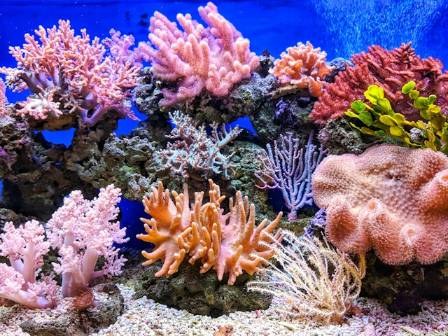
Seven Surprising Facts about Coral
When you picture the ocean, you may immediately think of vibrant coral reefs filled with remarkable colors, unusual shapes, and countless marine creatures. Although coral reefs are beautiful to look at, there is far more happening beneath the surface than their appearance suggests. Understanding what makes corals unique also helps us recognize why they are so important to protect, both for the health of our oceans and for the planet as a whole.
CRAFT · en

Fantastic Facts About Red Pandas
Red pandas are extraordinary animals with traits that make them truly one-of-a-kind. They are also vital to maintaining biodiversity, serving as both a flagship species and an ecological indicator for the Eastern Himalayan Broadleaf Forest Ecoregion — a biodiversity hotspot that supports over 500 million people.
CRAFT · en

Our Guide to Styling a Child's Room
In many respects, a child's first room is their first true home—it evolves alongside them, serving as far more than just a spot for play and rest.
CRAFT · en

Why Cats Make Remarkable Companions
The debate between feline and canine lovers is as old as pet ownership itself. While dogs often take the spotlight with their exuberant personalities, cats offer a quieter, more subtle charm that’s just as endearing. If you've always leaned toward dogs, you might find your perspective shifting after discovering the unique benefits of sharing your space with a cat.
CRAFT · en

Tulips in Art: Beauty, Power, and Symbolism
Like many flowers, the tulip carries a wide range of symbolic meanings when it appears in artworks.
CRAFT · en
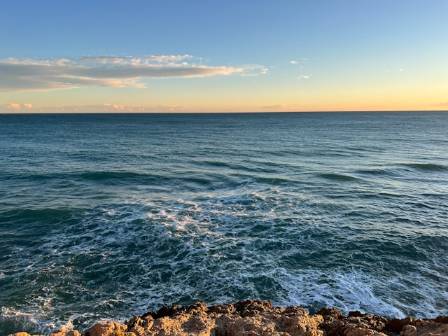
Comprehensive Global Insights into Shoreline Bluff Degradation through Bibliometric Mapping and Systematic Literature Evaluation
Steep rocky shores constitute approximately eighty percent of the global coastline and undergo significant transformation driven by an array of environmental and human activities. Marine wave dynamics serve as the primary engine for this degradation, making these landforms highly vulnerable to accelerating sea levels and severe weather patterns linked to climate change. Due to these pressing concerns, academic interest in coastal bluff stability has surged over recent decades. To properly map this expanding scholarly domain, a quantitative literature assessment offers an effective strategy to discover hidden research frameworks from vast publication datasets. Prior to this study, a comprehensive global bibliometric evaluation of this specific field in the English language was entirely absent.