Stall note
The Great Barrier Reef: A Natural Wonder Facing Change and Recover
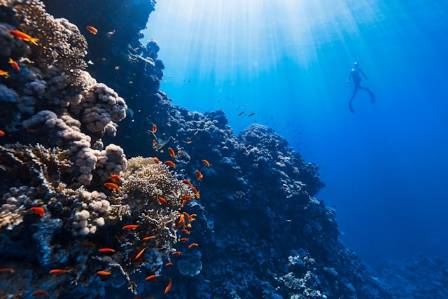
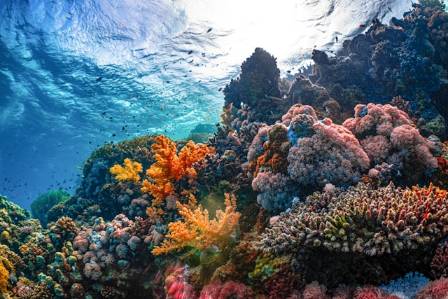
Australia’s Great Barrier Reef is one of the planet’s most extraordinary natural treasures. This vast underwater ecosystem covers an area comparable to a small nation and contains an incredible variety of marine habitats, colorful coral communities, and unique ocean life.
Theo Rhodes
Curator note
Stall tip
The full note continues below on the linen catalog desk.
Aisle
Stall Desk
Australia’s Great Barrier Reef is one of the planet’s most extraordinary natural treasures. This vast underwater ecosystem covers an area comparable to a small nation and contains an incredible variety of marine habitats, colorful coral communities, and unique ocean life.
However, the reef is constantly experiencing cycles of damage and regeneration. Periods of disturbance can transform vibrant coral ecosystems into algae-dominated environments before recovery begins again. As global temperatures continue to rise, these changes are becoming increasingly unpredictable and intense.
For more than 40 years, scientists at the Australian Institute of Marine Science have tracked the condition of the Great Barrier Reef through the Long-Term Monitoring Program, creating one of the world’s most extensive continuous records of coral reef health.
In recent years, researchers have observed increasingly dramatic changes in reef conditions. The widespread coral bleaching event of 2024, triggered by an unprecedented marine heatwave that affected reefs across multiple oceans, caused the greatest annual reduction in coral cover ever recorded in some areas.
Despite these challenges, new monitoring results reveal encouraging evidence that parts of the reef are beginning to recover.
Rising Ocean Temperatures and Coral Bleaching
In 2025, the Great Barrier Reef experienced its sixth coral bleaching event since 2016. It was only the second time in the reef’s history that bleaching occurred in consecutive years.
Fortunately, surveys showed that the 2025 bleaching event was less severe than the previous year’s event. This resulted in significantly lower coral mortality, demonstrating that bleaching events can have very different impacts depending on environmental conditions.
The length and strength of marine heatwaves play a major role in determining whether corals recover or die. When ocean temperatures decrease quickly enough, corals can restore their relationship with the microscopic algae that provide them with energy and color.
On the Great Barrier Reef, sea temperatures usually reach their highest levels between January and March. During this period, unusually warm ocean conditions can create ideal circumstances for coral bleaching.
A marine heatwave develops when ocean temperatures remain much higher than normal for a specific region and season for several consecutive days. In 2025, a heatwave affected the reef during spring, increasing water temperatures by as much as 1.5°C in some areas.
Although conditions were extremely challenging, later weather changes helped prevent what could have become a much more severe bleaching event.
Early Signs of Reef Recovery
Following the devastating coral bleaching event of 2024, researchers recorded the largest single-year decline in living coral coverage during four decades of monitoring.
Coral cover measures the percentage of the reef surface occupied by living hard corals compared with algae, sand, and other marine organisms. It is an important indicator of overall reef health.
Encouragingly, recent observations suggest that some sections of the Great Barrier Reef have started to regain coral cover. In the northern section, extending from Cape York to Cooktown, coral coverage increased from 30% to 35.1%.
The central region, between Cooktown and Proserpine, also showed improvement, rising from 28.6% to 31.6%. Both areas are now above their long-term average coral coverage levels.
However, the southern section of the reef, from Proserpine to Gladstone, continues to experience difficulties. Coral cover there declined slightly from 26.9% to 26.4% and remains below historical averages.
How Weather Conditions Helped the Reef
In early 2026, scientists detected signs of coral bleaching in parts of the northern and central Great Barrier Reef. Fortunately, a monsoon system arrived soon afterward, bringing clouds, rainfall, and cooler conditions that helped reduce ocean temperatures.
Australia’s monsoon season generally occurs between October and April and plays an important role in regulating tropical ocean conditions.
During active monsoon periods, cloud cover reduces sunlight reaching the ocean surface, while rain and wind contribute to cooling. Strong waves and ocean mixing also help distribute heat by bringing cooler water from deeper areas toward the surface.
The seasonal change in tropical winds also creates wetter conditions across northern Australia, providing additional relief for coral ecosystems during periods of extreme heat.
Ongoing Threats to the Great Barrier Reef
Although scientific monitoring and forecasting have improved significantly, the Great Barrier Reef continues to face serious environmental pressures.
Modern climate models can now predict ocean temperature changes weeks or even months ahead, helping researchers identify potential marine heatwaves and bleaching risks before they occur.
However, recent bleaching events have left many coral communities weakened and more vulnerable to continued record-breaking ocean temperatures and future climate extremes.
One major threat comes from crown-of-thorns starfish, a species that feeds on coral tissue. Since the 1960s, the reef has experienced four major outbreaks of these coral predators, and another outbreak is currently developing in northern areas.
Scientists expect these starfish populations to continue expanding southward in coming years, creating additional pressure on already stressed coral communities.
The reef has also been affected by tropical cyclones. Storms can sometimes provide temporary cooling benefits, but powerful waves generated by cyclones can physically break and destroy coral structures over large areas.
Protecting the Future of the Reef
The Great Barrier Reef has repeatedly demonstrated its remarkable ability to recover after major disturbances. However, this natural resilience cannot be relied upon indefinitely.
Reducing greenhouse gas emissions and limiting global warming remain essential steps in protecting the reef’s future. Climate change is the greatest long-term challenge facing coral ecosystems around the world.
Scientific research and innovative conservation strategies may help strengthen coral resilience and improve the reef’s ability to survive changing conditions.
At the same time, protecting marine protected areas, reducing pollution, managing human impacts, and supporting sustainable practices are crucial to ensuring that the Great Barrier Reef does not merely survive, but continues to thrive for future generations.
More from this aisle
CRAFT · en

NTT Docomo Yoyogi Tower: Detailed Specifications and Overview
The NTT Docomo Yoyogi Tower stands as an iconic telecommunications structure located in Tokyo, Japan. Serving as a central hub for mobile communication services, this building plays a vital role in supporting the extensive network infrastructure of NTT Docomo, one of Japan’s leading mobile operators. The tower combines architectural functionality with advanced technical features, ensuring reliable connectivity throughout the region.
CRAFT · en

A Full Guide to Taking Care of Suffolk Sheep
Suffolk sheep rank among the most popular and recognizable sheep breeds in the United Kingdom. They’re famous for their distinct black faces and legs, as well as their exceptional ability to produce high-quality meat. First developed in the late 18th century, Suffolk sheep are a tough, fast-growing breed that adapts well to various farming systems. Whether you’re a new sheep farmer or an experienced one looking to raise sheep for meat or enhance your flock’s genetics, Suffolk sheep are an excellent choice.
CRAFT · en
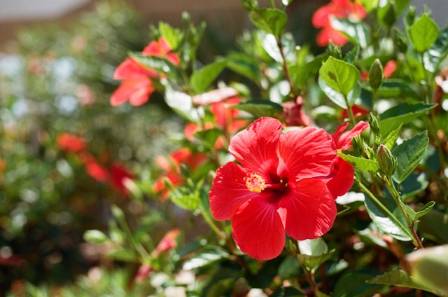
Successful Methods for Growing Beautiful Hibiscus
Hibiscus flowers provide an instant exotic charm to any outdoor area. With their exceptionally large and colorful blossoms, these plants serve as an eye-catching centerpiece for backyard garden beds, patios, or balconies. Establishing a thriving shrub is an excellent strategy for introducing bold color into your landscape, and the entire process is highly manageable once you understand the foundational requirements of the plant family.
CRAFT · en

Sri Lanka's Southern Coast Emerges as a Premier Lifestyle Getaway
I stand on a grassy cliff at Sri Lanka's southernmost point, holding a negroni, my gaze drifting downhill toward the Indian Ocean. The faint notes of jazz drift over from Cape Weligama's Surf Bar. On the distant horizon, a cluster of pinkish clouds mirrors the color of my drink.
CRAFT · en

25 Extraordinary Mysteries of the Solar System
Our cosmic neighborhood is far more than just the sun and eight familiar planets. It is a vast expanse filled with icy comets, wandering asteroids, dwarf planets, and moons that defy imagination. While we have learned much since the dawn of the space age, the solar system continues to surprise us with phenomena that challenge our scientific understanding. From volcanoes that spew ice on Pluto to canyons on Mars that could span the entire United States, here are some of the most remarkable facts about our corner of the universe.
CRAFT · en
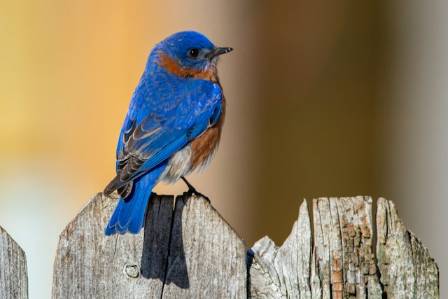
Blue Beauties: Meet The Eastern Bluebird
Bluebirds are among those birds that seem to inspire affection almost everywhere. They have appeared in songs such as “Bluebird” by Paul McCartney & Wings, in well-known poems like Emily Dickinson’s “The Bluebird,” and in expressions that have become part of our culture, including “The Bluebird of Happiness,” a phrase associated with Edward Heyman’s 1934 song.