Latte art, step by step

Stall note

Latte art, step by step

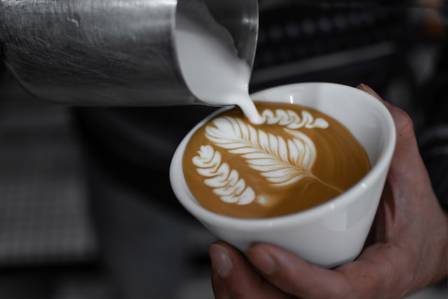
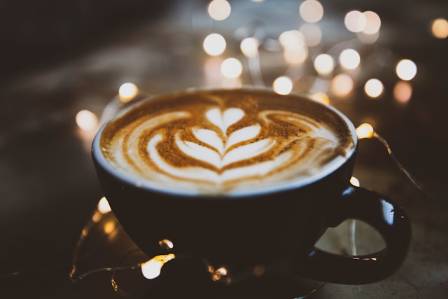
One of the most enjoyable aspects of visiting a café is receiving a cappuccino adorned with an elegant design on its surface. These decorative creations, made by carefully poured milk foam atop espresso, are called latte art. While they don’t make the coffee taste better, they reflect a barista’s precision, skill, and dedication to crafting a visually appealing beverage.

O

Olivia Parker

Curator note

Stall tip

The full note continues below on the linen catalog desk.

Aisle

Stall Desk
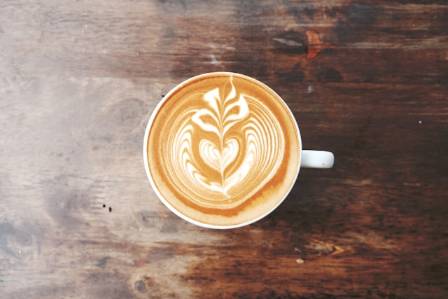
One of the most enjoyable aspects of visiting a café is receiving a cappuccino adorned with an elegant design on its surface. These decorative creations, made by carefully poured milk foam atop espresso, are called latte art. While they don’t make the coffee taste better, they reflect a barista’s precision, skill, and dedication to crafting a visually appealing beverage.
Here, we’ll guide you through the four key steps to create latte art, helping you understand the techniques behind those beautiful coffee patterns—or even giving you the confidence to try making your own.

Step 1: Brew the Coffee

Start with a well-made espresso using high-quality coffee beans. A reliable espresso machine ensures the drink highlights the coffee’s aroma and produces a stable crema—a creamy layer on top—necessary for supporting the milk foam for latte art.
To pull an espresso: force hot water under pressure through roughly 7 grams of finely ground coffee for about 25 seconds, yielding around 30 ml of concentrated coffee.

Step 2: Steam the Milk

Cold whole milk works best for creating a rich microfoam, which is the foundation for latte art. Tiny bubbles form a stable foam thanks to milk proteins, producing a smooth, velvety surface. Starting with cold milk helps trap more air, making it easier to achieve fine, uniform bubbles.
How to steam milk:
Fill a milk pitcher halfway.
Purge the steam wand to remove any water condensation.
Position the wand just above the milk, slightly off-center.
Turn the wand on fully, creating a vortex that aerates the milk.
Monitor the temperature—stop steaming before it exceeds 140°F (60°C). Use your hand as a guide if you don’t have a thermometer.
Remove the pitcher, clean the wand, and swirl the milk to blend microfoam with liquid.
Pour the milk into the espresso until the cup is filled.

Step 3: Select Your Technique

Latte art can be made using two main methods: free pouring and etching.
Free pouring: Pour the steamed milk directly from the pitcher into the espresso, tilting the cup gently to control the milk flow. Begin pouring from about 5 cm above the coffee, gradually lowering the cup as it fills. Patterns emerge at the end of the pour, when the pitcher is close to the liquid.
Etching: Pour the milk first, then use tools like toothpicks, knives, stencils, or chocolate syrup to draw detailed designs on the foam’s surface.

Step 4: Create the Design

Hold the cup so the design faces the drinker, typically with the handle to the right. Classic patterns include hearts, rosettas, and swans.
How to make a heart pattern:
Pour the steamed milk into the center of the espresso from about 2 cm above the surface.
Lower the pitcher until it nearly touches the coffee.
Continue pouring to form a large circular shape.
Lift the pitcher slightly while moving forward to cut through the circle.
Finish by pouring a thin stream of milk to draw the point of the heart.
Latte art may take practice to perfect, but with patience and the right technique, anyone can learn to craft these stunning coffee designs.

More from this aisle

CR

CRAFT · en

Thomas Jefferson Memorial: A Tribute to an American Visionary

Thomas Jefferson Memorial: A Tribute to an American Visionary

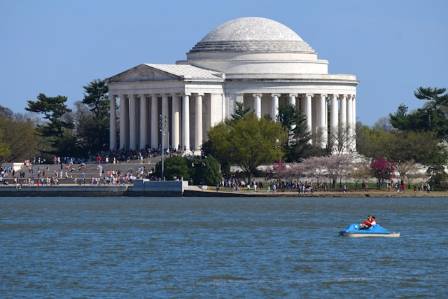
The Thomas Jefferson Memorial stands as a monumental tribute to the nation's third president and the principal author of the Declaration of Independence. Situated on the south bank of the Tidal Basin in Washington, D.C., the memorial honors Jefferson's profound contributions to the founding of the United States, his advocacy for liberty, and his wide-ranging intellect as a statesman, architect, and philosopher.

CR

CRAFT · en

Vintage Color Palettes in Colored Pencil

Vintage Color Palettes in Colored Pencil

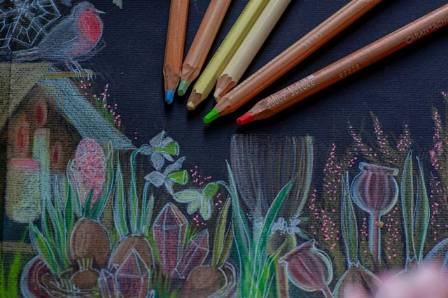
I have a passion for all things vintage. When I feel stuck with my color choices, or when I want to experiment creatively but don’t have the energy to start a full drawing from scratch, creating color palettes is one of my favorite ways to spark inspiration.

CR

CRAFT · en

Five Bridges Around the World That Are Truly Unforgettable

Five Bridges Around the World That Are Truly Unforgettable

Bridges have fascinated me for many years. Whether they stretch across powerful rivers, connect areas divided by deep valleys, or overcome natural barriers that once separated communities, bridges are much more than simple transportation routes.

CR

CRAFT · en

The Definitive Picnic Checklist: Pack Like a Pro for Any Outdoor Adventure

The Definitive Picnic Checklist: Pack Like a Pro for Any Outdoor Adventure

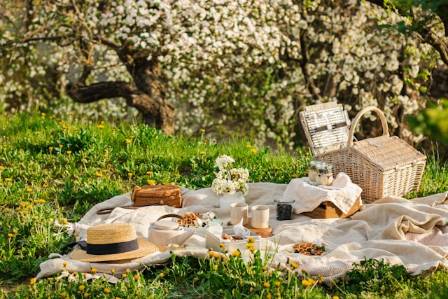
After years of refining my process, I’ve created the ultimate packing list to ensure every picnic is a success. Whether you’re heading to the park, the beach, or the redwoods, this guide covers the essentials—from blankets to beverages—so you can focus on enjoying the great outdoors. Save this for easy reference all season long!

CR

CRAFT · en

Glacial Landforms and Rock Types

Glacial Landforms and Rock Types

The retreat of ancient glaciers shaped the landscape of the Puget Lowland, leaving behind a wide variety of glacial landforms and deposits. These features provide important evidence of the region’s icy past and reveal how massive sheets of ice transformed the terrain over thousands of years.

CR

CRAFT · en

Plum Blossoms: The Best Early Spring Flower

Plum Blossoms: The Best Early Spring Flower

Plum blossoms in Japan offer a breathtaking seasonal experience. Travelers who are planning a Japan trip for the late-April cherry blossom season may also want to consider visiting during the Ume Matsuri, the traditional plum blossom festival held around mid-February. This celebration provides a chance to enjoy Japan’s floral beauty with fewer tourists and lower travel costs compared with the busy cherry blossom season.