Stall note
The Story Behind the Volkswagen Beetle
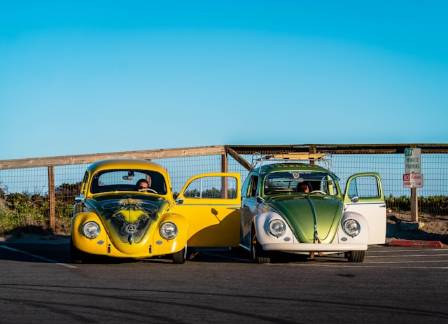
The Volkswagen Beetle—often called the VW Beetle—stands as one of the most recognizable cars ever built. First developed in the 1930s by Ferdinand Porsche under the direction of Adolf Hitler, it was intended to be an affordable and dependable “people’s car,” which is exactly what “Volkswagen” means in German. The goal was simple: create a practical vehicle that everyday citizens could own, blending usefulness with a distinct personality.
Ryan Cole
Curator note
Stall tip
The full note continues below on the linen catalog desk.
Aisle
Stall Desk
The Volkswagen Beetle—often called the VW Beetle—stands as one of the most recognizable cars ever built. First developed in the 1930s by Ferdinand Porsche under the direction of Adolf Hitler, it was intended to be an affordable and dependable “people’s car,” which is exactly what “Volkswagen” means in German. The goal was simple: create a practical vehicle that everyday citizens could own, blending usefulness with a distinct personality.
Over time, the Beetle grew far beyond its original purpose. Its unmistakable rounded shape and efficient performance helped it win over drivers worldwide, eventually making it one of the highest-selling cars in automotive history. Beyond transportation, it became deeply embedded in popular culture, influencing music, movies, and art. More than just a vehicle, the Beetle became a symbol tied to generations of memories and experiences. Exploring its history helps explain why it continues to hold such lasting appeal.
Major Milestones in the Beetle’s Evolution
The story of the Volkswagen Beetle began in the 1930s when the idea of an accessible family car took shape. By 1938, the first prototype debuted at a major auto show in Berlin, showcasing its now-famous curved body and air-cooled engine—features that would define it for decades.
After World War II, production resumed in 1945 under British supervision. During this post-war period, the Beetle became a symbol of recovery and renewal, especially across Europe. By the 1960s, it had gained massive popularity in the United States, where its quirky styling and dependability set it apart from larger domestic cars.
A significant milestone came in 1972 when the Beetle surpassed the Ford Model T as the best-selling car of all time. Production of the original design continued until 2003, with over 21 million units built. While the design evolved slightly over the years, its core identity remained intact, reinforcing its status as a timeless automotive icon.
Cultural Influence Across the Decades
The Volkswagen Beetle has had a profound cultural impact across multiple generations. Its affordability and approachable design made it accessible to a wide range of people, allowing it to cross social and economic boundaries.
In the 1960s, the Beetle became closely associated with counterculture movements. It symbolized freedom, individuality, and a rejection of convention, making it especially popular among younger generations. Its playful design and bright color options matched the spirit of the era.
Moving into the 1970s and 1980s, the car maintained its relevance, partly thanks to appearances in films like The Love Bug. It became a nostalgic symbol while still serving as a practical and reliable daily driver.
During the 1990s, Volkswagen revived the Beetle with a modern reinterpretation. This updated version appealed to a new audience while retaining the retro charm that made the original famous. In recent years, the Beetle continues to appear in media and marketing, often used to evoke familiarity and sentimentality. Its enduring presence highlights its role as more than just a car—it represents lifestyle, identity, and emotional connection.
Tips for Restoring and Preserving a Classic Beetle
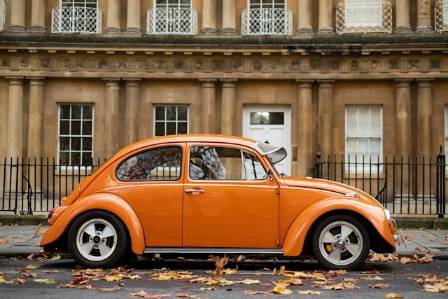
Maintaining a classic Volkswagen Beetle requires careful planning and attention to detail. Here are some practical guidelines:
1. Research Thoroughly
Learn about your specific model year, original features, and common issues. Historical knowledge will guide your restoration decisions.
2. Evaluate Its Condition
Inspect the body, engine, and interior carefully. Watch for rust, previous repairs, or modifications that may complicate restoration.
3. Use Authentic Parts
Whenever possible, source original components. Authentic parts help preserve both value and historical accuracy.
4. Document Disassembly
Take photos as you take the car apart. This will make reassembly much easier and more accurate.
5. Prevent and Treat Rust
Rust is a major concern for older vehicles. Address it quickly and apply protective coatings to vulnerable areas.
6. Restore the Interior Faithfully
Use materials and designs that match the original specifications to maintain authenticity.
7. Maintain Mechanical Health
Regular servicing and timely replacement of worn parts will keep the car running smoothly and reliably.
8. Join Enthusiast Communities
Connecting with other Beetle owners can provide valuable advice, resources, and support throughout the restoration process.
By following these steps, you can help ensure that your classic Beetle remains not only roadworthy but also a cherished piece of automotive heritage for years to come.
More from this aisle
CRAFT · en

The Spectacular Rise and Unstoppable Evolution of the Famous Bavarian Automaker
The official origin of this prominent German vehicle producer traces back to March 1916. An aviation manufacturing company named Bayerische Flugzeugwerke was established. This business changed its name to Bayerische Motoren Werke in 1922. The famous acronym actually originates from 1917 when Rapp Motorenwerke adjusted its title. The first creation was a straight six aircraft engine known as the IIIa. This power plant was famous for excellent high altitude performance. The resulting military orders triggered rapid corporate growth. After the first global conflict ended the company managed to survive. Workers produced motorcycle engines and agricultural gear. They also manufactured household goods and railway braking mechanisms.
CRAFT · en

Refreshing Summer Drinks to Stay Cool
Take a look at some of our favorite fruity summer beverage ideas—featuring both alcoholic cocktails and alcohol-free mocktails so everyone can enjoy them. These refreshing blends, including coolers, punches, infused waters, and sparkling drinks, are perfect for picnics, pool parties, or backyard gatherings. Just prepare a batch and watch them disappear quickly.
CRAFT · en

Guide To The World’s Biggest Waves
Riding giant waves demands a rare blend of courage, skill, and determination. Whether paddling into towering walls of water or releasing the tow rope on waves approaching 100 feet, big-wave surfers share a mindset that refuses to back down when conditions become extreme.
CRAFT · en

Fascinating Insights Into the Lives of Goats
Spending time at an animal sanctuary reveals that the residents possess intricate personalities and unique behaviors. Since many people haven't had the chance to interact with goats living in a peaceful, protected environment, we have gathered several compelling facts to share. These amazing animals are far more complex than most people realize and deserve to be understood on a deeper level.
CRAFT · en

Famous Geometric Abstract Art
Geometric abstraction transforms visual elements into a kind of philosophy—where lines, shapes, and blocks of color invite contemplation, balance, and contrast. From its early beginnings in the 20th century to its modern interpretations across various media, this artistic movement has continuously evolved while maintaining its core essence.
CRAFT · en
Do You Know Why People Still Use Typewriters in Modern America
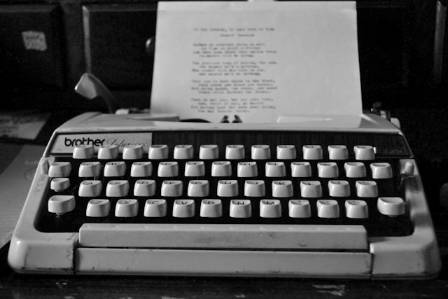
At first glance, typewriters might look like dusty antiques that belong in a museum rather than on a desk. But in a country overflowing with laptops, tablets, and smartphones, these clunky machines continue to surprise people with their staying power. Across the United States, typewriters are not just collector’s items—they remain dependable tools for offices, legal practices, and even individuals who want an alternative to the glowing screen.