
Stall note
8 Essential Car Photography Tips for Stunning Images
Capturing the beauty of cars through photography is an art that requires skill, patience, and a deep understanding of both the vehicle and the lighting conditions. While it may seem simple to snap a picture of a car, creating breathtaking shots is far more complex. The following tips will help elevate your car photography to the next level.
David
Curator note
Stall tip
The full note continues below on the linen catalog desk.
Aisle
Stall Desk
Capturing the beauty of cars through photography is an art that requires skill, patience, and a deep understanding of both the vehicle and the lighting conditions. While it may seem simple to snap a picture of a car, creating breathtaking shots is far more complex. The following tips will help elevate your car photography to the next level.
1. Research the Car Thoroughly
Before you even begin the photoshoot, make sure you understand the car you're working with. Every model has unique features, whether it's a high-performance engine, an exceptional design, or specialized technology. Knowing what sets the car apart will guide your photography choices. For instance, if it’s a sports car, think about incorporating motion blur to emphasize its speed. If it's a luxury car, focus on the smooth curves and elegant lines. Understanding these details will allow you to create more focused and striking images.
2. Use the Right Gear
The quality of your gear plays a role in how well you capture the car’s features. A mirrorless camera or a DSLR is a must-have, paired with versatile lenses that range from wide-angle to standard focal lengths. For stationary cars, almost any modern camera will do, but for moving shots, you’ll need one with fast autofocus and high continuous shooting capabilities. A tripod will be essential for low-light or long-exposure shots. A 24-70mm f/2.8 lens can provide flexibility, but a collection of fast prime lenses will help you get sharper images in varying lighting.

3. Shoot at Optimal Times
Lighting is everything when it comes to car photography. Shooting in harsh midday sunlight can result in unflattering, overexposed images. Instead, aim for the golden hours—shortly after sunrise or before sunset. The light is soft, warm, and perfect for highlighting the car’s curves and colors. If you're unable to shoot during these times, overcast days can also provide diffused light, reducing harsh shadows.
4. Choose the Right Camera Settings
Car photography often requires adjustments in camera settings depending on whether you're capturing motion or detail. For moving cars, use a fast shutter speed (at least 1/1000s) to freeze the action. When focusing on stationary cars, manual mode gives you control over ISO, aperture, and shutter speed. For interior shots, increase the ISO slightly and adjust the aperture to maintain clarity. Experiment with different settings and find the balance that works best for each shot.
5. Vary Your Angles
Take a creative approach to framing your shots. Rather than focusing solely on front or profile views, try different angles to showcase the car’s unique features. The three-quarter angle adds depth, while low shots emphasize the car's power and presence. You can even try shooting from elevated perspectives, like a parking garage or a rooftop, to create dynamic compositions.
6. Pay Attention to Reflections
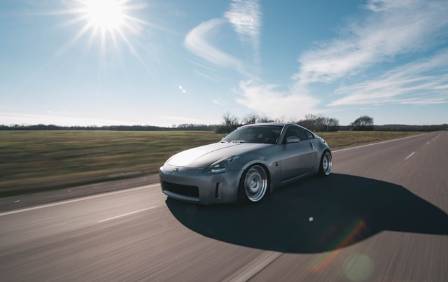
Cars, especially those with shiny exteriors, are like mirrors. The slightest reflection can ruin an otherwise perfect shot. Before taking any pictures, check the surrounding environment and adjust accordingly. If possible, shoot in an open space with minimal distractions, like a field or a clear sky, to avoid unwanted reflections. If the background is too busy, change your angle or get lower to introduce reflections of the sky instead.
7. Focus on Details
In addition to wide shots of the car, make sure to include close-ups that highlight its finer details. Focus on the sleek lines, textured dashboard, or the gleam of chrome accents. These shots give viewers an appreciation for the craftsmanship and the personality of the car, making the overall set more dynamic and visually interesting.
8. Capture Movement
One of the most exciting elements of car photography is capturing motion. Whether you're photographing a car in motion or simply creating the illusion of movement, dynamic shots make for striking images. For shots of a moving car, experiment with slower shutter speeds (like 1/125s) to create a beautiful motion blur. If you're taking photos from another moving vehicle, ensure safety measures are in place and that both cars are traveling at matching speeds.
Conclusion
Mastering car photography takes practice and a good eye for detail. With the right gear, timing, and techniques, you can create photos that not only capture a car’s exterior but also tell a story about its essence. Whether you’re working with classic cars, modern sports models, or rugged 4x4s, each photoshoot offers an opportunity to hone your skills and produce images that are both beautiful and compelling. Keep experimenting with new angles, lighting conditions, and settings to continue improving your craft.
More from this aisle
CRAFT · en

Historic Town of Guanajuato and Adjacent Mines
Founded by Spanish settlers in the early 1500s, Guanajuato developed into the world’s most important silver-producing region during the 18th century. The city’s mining heritage can still be experienced through its famous underground streets and the remarkable “Boca del Infierno,” a mine shaft descending approximately 600 meters into the earth.
CRAFT · en

Selecting Your Ideal Sofa: A Comprehensive Guide
Investing in a new sofa is a major decision for any home, yet knowing where to begin the process can be challenging. To streamline your search and ensure you find the perfect match, consider these six essential pillars of sofa selection. By evaluating everything from physical dimensions to aesthetic preferences, you can transform an overwhelming task into a rewarding home improvement project.
CRAFT · en

Crafting Lifelike Felt Animal Figures: A Comprehensive Beginner’s Guide
Creating realistic needle-felted animals is a rewarding artistic journey that transforms loose wool into expressive, three-dimensional sculptures. Many beginners wonder how artists achieve such a high level of detail and lifelike character. By mastering the right combination of wool types, needle gauges, and structural techniques, anyone can learn to sculpt adorable animal figures with precision and personality.
CRAFT · en

Empire State Building: Key Facts and History
The Empire State Building is one of New York City's most famous landmarks. Located on Fifth Avenue between 33rd and 34th Streets in Manhattan, the skyscraper rises 103 stories and stands 1,250 feet (381 m) tall, excluding its antenna.
CRAFT · en

Incredible Places Where the Ocean Glows
Beaches are enchanting at any hour, but after sunset, some coastlines transform into something truly extraordinary. Across the globe, certain waters come alive at night with a mysterious natural glow known as bioluminescence. In some places, the ocean appears sprinkled with countless tiny lights, resembling a sky full of stars reflected beneath the waves. In other locations, the glow becomes so intense that the entire shoreline seems to shine.
CRAFT · en
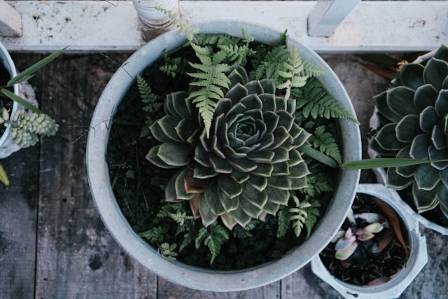
Strategies for Selecting the Ideal Indoor Greenery for Your Home
The popularity of indoor gardening has skyrocketed in recent years, evolving from a simple hobby into a significant lifestyle movement. Research indicates that approximately 87% of American households now incorporate live plants into their interior decor. This widespread adoption of "bringing the outdoors in" is driven by more than just aesthetics; it reflects a growing desire to reconnect with nature within our own living spaces. Understanding how to select the right species is essential for anyone looking to establish a thriving indoor sanctuary in Florida.