Stall note
Essential Facts About Otters: Nature’s Aquatic Architects
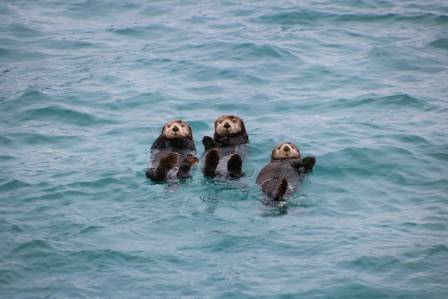
Sea Otter Awareness Week, held annually during the final week of September, highlights the critical role these charismatic marine mammals play in the North Pacific’s coastal ecosystems. Beyond their endearing appearance, otters are sophisticated survivors with unique biological traits and environmental impact.
Simon Theodore Caldwell
Curator note
Stall tip
The full note continues below on the linen catalog desk.
Aisle
Stall Desk
Sea Otter Awareness Week, held annually during the final week of September, highlights the critical role these charismatic marine mammals play in the North Pacific’s coastal ecosystems. Beyond their endearing appearance, otters are sophisticated survivors with unique biological traits and environmental impact.
Species Diversity and Family Ties
While many people picture a single type of otter, there are actually thirteen distinct species found worldwide. In the United States, two primary species reside: the North American river otter and the sea otter. River otters are relatively small, weighing between 10 and 30 pounds, and possess sleek, cylindrical bodies. In contrast, sea otters are significantly larger and heavier, ranging from 45 to 90 pounds, and are easily identified by their broad, furry faces.
Biologically, otters belong to the Mustelidae family, making them carnivorous relatives of weasels, badgers, wolverines, and skunks. Within this group, the sea otter holds a unique status as the largest member of the weasel family, yet it remains the smallest marine mammal in North America.
Habitat and Conservation History
The vast majority of the global sea otter population—roughly 90 percent—inhabits the coastal waters of Alaska. These animals are frequently spotted in protected areas such as Glacier Bay National Park and Kodiak National Wildlife Refuge. A smaller population of southern sea otters lives along the California coast, spanning from San Mateo to Santa Barbara County.
The survival of these animals is a triumph of conservation. During the 18th and 19th centuries, fur traders hunted sea otters to near extinction. By 1911, only about 2,000 individuals remained. International treaties and U.S. laws, including the Marine Mammal Protection Act and the Endangered Species Act, eventually provided the legal framework necessary for their populations to begin a slow recovery.
Survival Strategies: Diet and Insulation
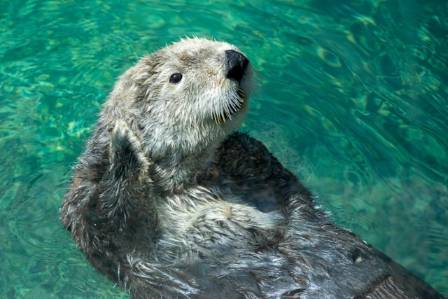
Maintaining a high metabolism in cold water requires an immense amount of energy. Sea otters consume approximately 25 percent of their body weight every single day, feeding on prey such as clams, mussels, crabs, and sea urchins. They are skilled foragers, using sensitive whiskers to detect movement in crevices and diving up to 250 feet to find food.
Unlike whales or seals, otters do not have a layer of blubber to stay warm. Instead, they possess the densest fur in the animal kingdom, with up to one million hair follicles per square inch. They spend a significant portion of their lives grooming this fur to trap insulating air bubbles against their skin. Without meticulous conditioning of their water-resistant coats, they would quickly lose vital body heat.
Life Cycles and Remarkable Physiology
Sea otters can give birth at any time of the year. While northern populations tend to have pups in the spring, southern sea otters breed year-round. Newborn pups are born with fur so buoyant that they are incapable of diving. This allow mothers to leave their offspring floating safely on the surface while they dive for food. A pup typically remains dependent on its mother for six months to learn essential hunting skills.
To support their underwater lifestyle, otters have evolved impressive respiratory systems. Their lung capacity is about 2.5 times larger than that of land mammals of a similar size. This allows sea otters to remain submerged for over five minutes, while river otters can stay underwater for up to eight minutes while hunting.
Ecological Impact and Tool Usage
Sea otters are recognized as a "keystone species," meaning their presence fundamentally dictates the health of their environment. By preying on sea urchins, they prevent these invertebrates from overgrazing kelp forests. Healthy kelp forests, in turn, provide habitats for countless other marine species and help sequester carbon.
They are also among the few mammals known to use tools. Sea otters frequently use rocks as hammers or anvils to break open hard-shelled prey. To keep these tools handy, they have loose folds of skin under their forelegs that function like pockets, allowing them to store both a favorite rock and foraged food while they swim.
Social Behavior and Safety
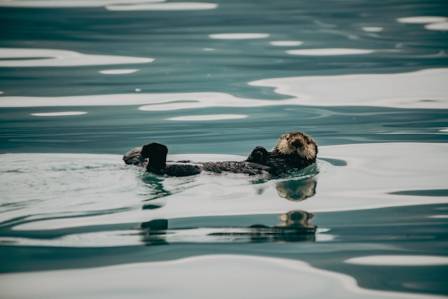
When resting, sea otters often gather in large groups known as "rafts," which can sometimes include over 1,000 individuals. To prevent themselves from drifting away in the current, they frequently wrap themselves in giant kelp, effectively anchoring their group to the seafloor.
While they may appear approachable, it is vital to remember that otters are powerful wild predators with a strong bite and sharp teeth. For the safety of both humans and animals, observers should maintain a distance of at least 60 feet (roughly five kayak lengths). If an otter stops its natural behavior to look at you, it is a sign that you are too close. Using a zoom lens from a distance ensures a safe and respectful viewing experience.
More from this aisle
CRAFT · en

Intelligent Diagnostics and Maintenance: An Overview of the Q ROBOT System
Q ROBOT is a sophisticated analytical and diagnostic software suite engineered to monitor robotic performance and identify potential technical failures. By utilizing real-time operational data and digital twin technology, the program allows operators to analyze mechanical issues in depth, thereby boosting the overall efficiency of production lines. The system is designed to transform reactive maintenance into a predictive management strategy, leveraging data to preemptive downtime and ensure that robotic assets remain in peak condition for maximum output.
CRAFT · en

The Definitive Picnic Checklist: Pack Like a Pro for Any Outdoor Adventure
After years of refining my process, I’ve created the ultimate packing list to ensure every picnic is a success. Whether you’re heading to the park, the beach, or the redwoods, this guide covers the essentials—from blankets to beverages—so you can focus on enjoying the great outdoors. Save this for easy reference all season long!
CRAFT · en
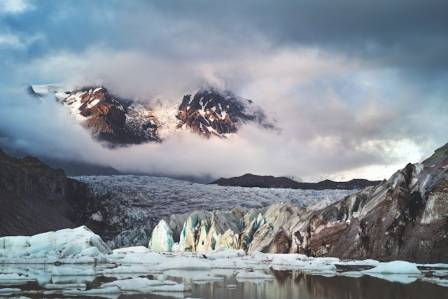
Glacial Landforms and Rock Types
The retreat of ancient glaciers shaped the landscape of the Puget Lowland, leaving behind a wide variety of glacial landforms and deposits. These features provide important evidence of the region’s icy past and reveal how massive sheets of ice transformed the terrain over thousands of years.
CRAFT · en
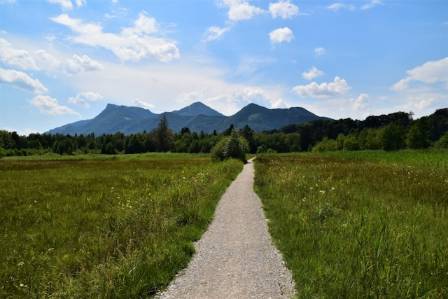
Exploring Trails and Mountains
When you step into the great outdoors, few experiences rival the exhilaration of following winding paths that lead to awe-inspiring mountain panoramas. Trails are not merely routes through nature—they also serve as catalysts for local economies, support conservation initiatives, and provide insight into regional geology, wildlife habitats, and ecological systems.
CRAFT · en
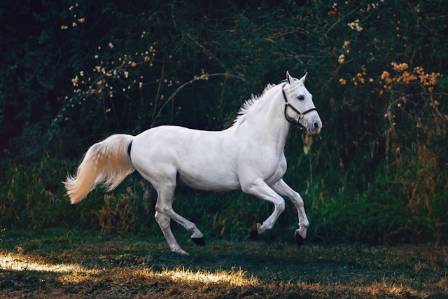
Przewalski’s Horse: The Last Wild Horse of the Steppes
Thousands of years ago, a unique horse known as the takhi lived across the grasslands of Asia and Europe.
CRAFT · en
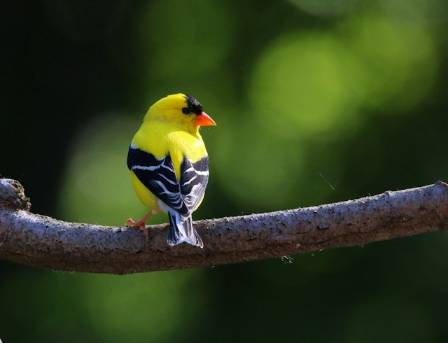
The Late Blooming Summer Breeder: The American Goldfinch
While many bird species are already raising their young or preparing to see their nestlings leave, the American Goldfinch, also known as the Eastern Goldfinch, is only beginning its breeding season. This species is among the latest songbirds to reproduce each summer.