Stall note
What Bibimbap Means and Why It’s Special
Bibimbap is a traditional Korean dish whose name comes from two parts: “bibim,” meaning mixing, and “bap,” meaning rice. The concept is simple but layered—rice is combined with seasoned meat and a variety of vegetables that may be sautéed, blanched, fermented, or pickled.
Catherine Whitmore
Curator note
Stall tip
The full note continues below on the linen catalog desk.
Aisle
Stall Desk
Bibimbap is a traditional Korean dish whose name comes from two parts: “bibim,” meaning mixing, and “bap,” meaning rice. The concept is simple but layered—rice is combined with seasoned meat and a variety of vegetables that may be sautéed, blanched, fermented, or pickled.
Unlike fried rice, where everything is cooked together in one pan, bibimbap keeps its components separate until serving. The ingredients are arranged on top of the rice and only mixed together when eaten, creating distinct textures and flavors in each bite.
Hot Stone Bibimbap and the Dolsot Method
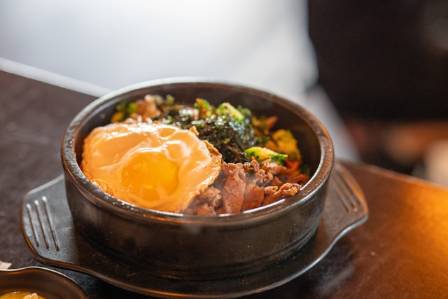
In the hot stone version, cooked rice is placed into a dolsot, a heat-retaining Korean stone bowl, and heated until it becomes sizzling and crisp at the edges. The toppings warm through as well, while the raw egg yolk placed in the center gently cooks from the residual heat.
If a stone bowl is not available, the dish can still be made using a regular skillet or pot, though the signature crispy rice effect will be less pronounced. The toasted rice layer is one of the highlights of the dish, adding contrast to the soft vegetables and tender meat.
This version is both nourishing and adaptable, making it suitable for lunch or dinner, especially when multiple components are prepped ahead of time.
Core Ingredients for Bibimbap
The base of the dish consists of white rice, water, and a small amount of sesame oil. Any type of white rice can be used, though medium or long grain varieties are commonly chosen.
The protein is typically thinly sliced beef. This can be store-bought stir-fry beef or a thin cut of steak sliced manually. The marinade usually includes soy sauce, a sweet rice wine alternative, sugar, and garlic for depth of flavor.
Vegetables can vary widely, but common choices include mushrooms, carrots, spinach, and bean sprouts. Kimchi and gochujang are also essential flavor components, adding heat, fermentation, and complexity. A neutral cooking oil is used for sautéing, and at least one egg is needed for finishing the dish.
Preparing the Beef Marinade
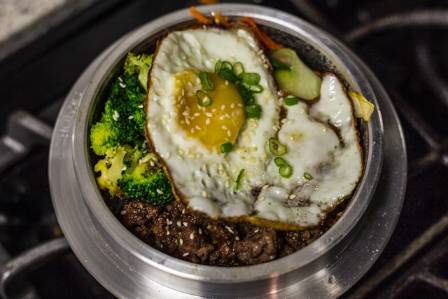
The beef is ideally marinated for at least 20–30 minutes, although it can sit for several hours if prepared in advance. The process begins by mixing soy sauce, sweet rice wine (or substitutes), sugar, and garlic.
The sliced beef is then coated in this mixture and set aside while the other ingredients are prepared. This allows the meat to absorb savory and slightly sweet flavors before cooking.
Cooking the Rice
Rice is prepared first since it requires the longest cooking time. It is rinsed until the water becomes clear, then combined with water in a pot at a roughly 1:2 ratio.
The mixture is brought to a boil, then reduced to low heat and covered to steam until all the liquid is absorbed. This typically takes around 15–20 minutes. A rice cooker can also be used as an alternative method.
Preparing the Vegetable Components
Each vegetable is cooked separately to preserve texture and flavor balance. Mushrooms are usually cooked first in a lightly oiled pan until browned, then seasoned with a small amount of soy sauce.
Spinach is added next, using the remaining flavor in the pan to enhance its taste as it wilts. Carrots are cooked afterward until softened but still slightly firm. Each ingredient is removed and set aside once cooked.
Cooking the Beef
Once the vegetables are finished, the marinated beef is added to a hot pan with a bit of oil. It is cooked quickly until the exterior develops a deep brown color.
The goal is not to fully overcook the meat, but to achieve a seared surface while keeping the inside tender and juicy.
Assembling the Hot Stone Bibimbap
To assemble the dish, sesame oil is first brushed or swirled into the bottom of the dolsot. The cooked rice is added and placed over heat until it begins to sizzle and crisp.
The cooked vegetables, beef, kimchi, and bean sprouts are then arranged neatly on top in separate sections. A spoonful of gochujang is added for spice.
A small space is left in the center for the egg yolk, which will slowly cook from the heat of the rice and stone bowl.
Serving and Eating Bibimbap
Although served in one bowl, bibimbap is typically portioned for two people. The ingredients are mixed together just before eating so that the egg yolk coats the rice and vegetables, creating a rich, unified flavor.
If raw egg is not preferred, it can be cooked separately and added on top instead.
Bibimbap pairs well with light side dishes such as pickled vegetables or cucumber salads, and is often enjoyed with traditional drinks like soju.
Leftovers store well and often taste even better the next day, as the rice firms up and can be reheated to regain crispness.
More from this aisle
CRAFT · en

Ocellaris Clownfish
Made famous around the world by the animated film Finding Nemo, the ocellaris clownfish is one of the most beloved marine aquarium species. Its bright colors, peaceful nature, and easy care requirements make it an excellent choice for beginners.
CRAFT · en

The Largest RVs You Can Own
Dreaming of life on the open road without giving up the comforts of home? Modern recreational vehicles (RVs) combine space, luxury, and cutting-edge amenities, letting you travel in style while enjoying all the perks of a high-end residence.
CRAFT · en

Guide to Landscaping With Sandstone
If you want a material that combines long-lasting performance with natural beauty, sandstone is an excellent option. It can be used for everything from outdoor patios and walkways to residential construction and commercial environments, providing dependable strength along with a timeless appearance. With the wide range of Oklahoma stone available, homeowners and designers can find options that suit different landscape styles and functional needs while creating the look they envision.
CRAFT · en

Most Beautiful Lakes in the World
Since the earliest days of human history, people have been fascinated by lakes, whether drawn to their extraordinary scenery or intrigued by legendary creatures said to inhabit their waters, such as Nessie in Scotland and Ogopogo in Canada. Fortunately, there are countless remarkable lakes to discover, ranging from the intensely blue waters of Lake Como to the spectacular mountain scenery surrounding Moraine Lake. If you're dreaming of visiting one of the world's most beautiful bodies of water, these destinations are well worth exploring.
CRAFT · en

Enhancing Summer Gatherings with Vibrant Berry-Infused Cocktails
Professional mixologists consistently argue that the secret to a superior drink lies in the quality of its components. During the warmer months, seasonal produce takes center stage, transforming standard hosting plans into memorable culinary experiences. While citrus staples like lemons and limes provide necessary acidity throughout the year, the arrival of summer allows for a sensory reinvention of timeless favorites. Traditional recipes such as Margaritas, Mojitos, Sangrias, and Daiquiris gain a newfound energy and brightness when integrated with fresh fruit. These natural ingredients do more than just improve the flavor profile; they introduce a lively aesthetic that can be achieved through simple techniques like juicing, muddling, or thoughtful garnishing.
CRAFT · en

Famous Streets Around the World That Capture the Imagination
From historic boulevards to vibrant shopping districts, certain streets around the globe have achieved iconic status. These celebrated thoroughfares offer visitors much more than just a path from one place to another - they provide unforgettable experiences that embody the spirit of their cities. Each with its own unique character, these famous streets tell stories of culture, commerce and community through their architecture, atmosphere and daily life.