Stall note
How Do You Choose A Vanity That's Easy To Clean?
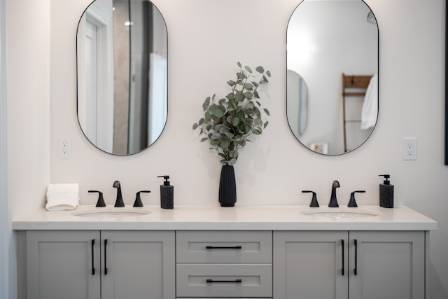
A bathroom that is easy to keep clean begins with choosing the right vanity. This decision is sometimes overlooked, yet it has a direct impact on hygiene, longevity, moisture resistance, and the amount of effort required for everyday cleaning. Beyond appearance, selecting suitable materials, finishes, and practical features can help prevent buildup, limit moisture-related problems, and make routine maintenance much easier.
Kendall Ford
Curator note
Stall tip
The full note continues below on the linen catalog desk.
Aisle
Stall Desk
A bathroom that is easy to keep clean begins with choosing the right vanity. This decision is sometimes overlooked, yet it has a direct impact on hygiene, longevity, moisture resistance, and the amount of effort required for everyday cleaning. Beyond appearance, selecting suitable materials, finishes, and practical features can help prevent buildup, limit moisture-related problems, and make routine maintenance much easier.
The smaller details matter just as much when it comes to long-term convenience. Soft-close drawers can keep everyday items neatly contained, while matte or brushed hardware can make fingerprints less noticeable. Every component should serve a practical purpose while contributing to a bathroom that is both attractive and simple to maintain. In this guide, we’ll look at the materials and design choices that can make a bathroom vanity easier to care for without sacrificing style.
Understanding Easy-to-Clean Vanity Materials
Creating a vanity that stays fresh without constant scrubbing starts with selecting appropriate materials. Countertops, cabinets, and sinks all respond differently to moisture, stains, fingerprints, and everyday bathroom residue, so the materials you choose can have a major effect on maintenance.
Countertop Materials for Easy Maintenance
The countertop is among the most frequently used parts of a bathroom vanity, so it should be durable as well as simple to clean. Quartz is one of the most practical choices because its non-porous surface helps resist stains, mold, mildew, and etching. It also does not require regular sealing, making it especially convenient for busy households.
Solid-surface materials such as Corian are another useful option. Their seamless construction can incorporate the sink and backsplash into one continuous surface, eliminating many of the narrow joints where dirt and moisture can collect. Minor scratches can also generally be polished away.
For a more contemporary appearance, tempered glass can provide another alternative. Although it is less frequently used for bathroom countertops, properly treated glass can resist heat, water marks, and etching while creating a sleek and modern appearance.
Cabinet Finishes That Resist Dirt
The finish applied to bathroom cabinetry also affects how much cleaning it requires. Thermofoil, which is bonded to MDF using heat and pressure, creates a smooth and non-porous exterior that works particularly well in damp bathroom conditions.
High-pressure laminate, commonly known as HPL, provides another durable solution. It can withstand everyday scratches, stains, and minor impacts while requiring relatively little maintenance.
Matte surfaces are also useful because they tend to hide fingerprints more effectively than highly glossy finishes. Painted cabinets treated with catalyzed varnish gain additional resistance to moisture and household chemicals, helping the cabinetry remain attractive for longer.
Sink Materials for Easier Cleaning
Choosing the right sink material can make everyday bathroom maintenance considerably simpler. Vitreous china remains a dependable classic because its smooth, enamel-like coating helps resist stains, scratches, and the accumulation of microorganisms while maintaining a polished appearance.
Cast polymer sinks can also be practical, particularly when they are combined with solid-surface countertops. Their integrated, grout-free construction minimizes the number of seams that require cleaning.
For a contemporary bathroom, brushed stainless steel is another strong choice. It provides excellent resistance to corrosion and can generally be cleaned quickly with minimal effort, making it increasingly popular for residential applications.
Design Features That Make Cleaning Simpler
Material selection is only part of creating a low-maintenance vanity. The way the vanity is designed can also determine how easily dust, water, and dirt can be removed. Features that reduce seams, lift cabinetry from the floor, and create smoother surfaces can significantly simplify daily care.
Integrated Sinks and Countertops
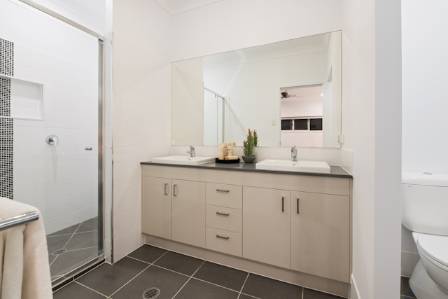
A vanity with an integrated sink and countertop is one of the simplest ways to reduce difficult-to-clean areas. These units are commonly manufactured from solid-surface materials such as Corian, cultured marble, or cast polymer.
Because the sink and counter can form a continuous surface, there are fewer joints where moisture, soap residue, and grime can collect. The absence of traditional grout and extensive caulking also reduces areas where mold and discoloration can develop.
Some countertop designs incorporate a gentle slope around the basin, allowing water to move more efficiently toward the drain. Additional practical details, including soft-closing drawers and built-in electrical outlets, can further improve convenience while keeping the overall design streamlined.
Wall-Mounted Vanities and Open Floor Space
Floating or wall-mounted vanities offer more than a modern appearance. Because the cabinet is elevated above the floor, dust and moisture have fewer opportunities to accumulate around the base.
The open area underneath also makes sweeping and mopping much easier, which can be particularly helpful in compact bathrooms. The visual openness can make a small room feel more spacious as well.
Adding lighting beneath the vanity can improve visibility while cleaning. At the same time, proper wall installation is essential for long-term stability. A simplified floating structure also means fewer difficult-to-reach surfaces that need regular attention.
Minimalist Hardware and Smooth Cabinet Surfaces
Small choices involving cabinet doors and hardware can have a surprisingly large influence on maintenance. Flat-panel doors eliminate many decorative grooves where dust and grime can settle, while simple hardware reduces difficult corners and recesses.
Integrated pulls, streamlined bar handles, and push-to-open mechanisms are practical choices because they maintain clean lines and reduce unnecessary contact points. Matte laminates and satin finishes can further help disguise fingerprints and water spots.
Touch-free faucets can take convenience one step further by reducing the amount of physical contact with the fixture, which can contribute to better hygiene and easier maintenance.
Practical Considerations for Long-Term Cleanliness
Selecting appropriate materials and designing the vanity intelligently will make cleaning easier, but long-term performance also depends on everyday habits. Maintenance, organization, water quality, and cleaning products all influence how well a vanity retains its appearance.
Proper Sealing and Regular Maintenance
Natural stone surfaces such as marble and granite require more attention than many engineered materials. Regular sealing, often once or twice a year depending on the stone and usage, helps prevent moisture from penetrating the surface and reduces the risk of staining and bacterial accumulation.
Wood cabinetry should likewise receive an appropriate protective treatment. Moisture-resistant finishes such as polyurethane or catalyzed varnish can help reduce the possibility of swelling, warping, and mold in humid conditions.
Regular cleaning with pH-neutral products can protect these finishes. Hardware should also be wiped with a soft cloth to reduce moisture-related corrosion. Most importantly, always follow the manufacturer's maintenance recommendations for the particular materials used in your vanity.
Smart Storage Solutions
Keeping the countertop clear is another important part of maintaining a tidy bathroom. Internal organization can prevent everyday products from spreading across the vanity and can also reduce accidental spills.
Drawer dividers, pull-out organizers, and separated compartments provide designated places for toiletries and other necessities. Well-designed storage makes items easier to access while keeping them contained.
A vanity with balanced drawer arrangements and a spacious central cabinet can provide both visual order and practical storage. Moisture-resistant interiors, wipeable finishes, and soft-closing drawers can make the storage system even easier to maintain.
Water Hardness and Cleaning Products
The quality of your household water can also influence how much cleaning your bathroom requires. Hard water contains minerals such as calcium and magnesium that can leave deposits on sinks, faucets, and other fixtures. Over time, these deposits may make surfaces appear dull and become increasingly difficult to remove.
A whole-house or point-of-use water softener can help reduce mineral buildup and potentially extend the lifespan of bathroom fixtures.
Cleaning products are equally important. Strong chemicals can damage protective finishes and sealants, while abrasive sponges and tools can leave scratches. Instead, use gentle, non-abrasive, pH-balanced cleaners together with microfiber cloths.
Silicone-based polishing products are also best avoided because they can leave a residue that attracts dust and creates a dull film on the surface.
Common Mistakes to Avoid When Choosing a Vanity
It is easy to focus primarily on appearance, dimensions, and layout when shopping for a vanity. However, overlooking maintenance requirements can turn an attractive design into a daily cleaning burden. Paying attention to a few common problem areas can help prevent unnecessary work later.
Overlooking Grout Lines and Porous Materials
Tile countertops and backsplashes can add character to a bathroom, but extensive grout lines can create additional cleaning responsibilities. Grout is porous and can absorb moisture, develop stains, and encourage mildew, especially in a warm and humid bathroom.
Naturally porous materials such as marble, limestone, and unsealed concrete can present similar challenges. Even when properly sealed, these surfaces generally require more frequent care to prevent staining and etching.
For homeowners who prioritize easy maintenance, non-porous materials such as quartz, solid surface, and properly treated tempered glass can be more convenient alternatives.
Installing Open Shelving Without Organization
Open shelving can make a bathroom feel lighter and provide quick access to frequently used items, but it can also become cluttered surprisingly quickly. Shelves near sinks or close to the floor may collect dust, moisture, and everyday bathroom items.
To keep open storage under control, use baskets, containers, trays, or modular organizers. A combination of open shelving and enclosed cabinetry can provide the best balance between accessibility and visual order.
A carefully planned open shelf can be especially useful for storing folded towels or attractive containers while keeping the rest of the vanity visually uncluttered.
Ignoring Faucet and Hardware Compatibility
Another issue that is easy to overlook is compatibility between the faucet, sink, and countertop. Choosing the wrong mounting configuration can create installation difficulties, require additional drilling, or cause water to splash outside the basin.
Before purchasing, confirm whether the faucet requires a single-hole, center-set, or widespread installation.
Hardware selection matters as well. Oversized decorative handles, exposed screws, and intricate grooves can create extra areas for dust and residue to collect. Sleek, ergonomic hardware with finishes such as brushed nickel or matte black can be easier to clean and more comfortable to use.
Properly proportioned hardware is particularly valuable in smaller bathrooms, where every component needs to balance accessibility, appearance, and ease of maintenance.
The Clean Choice Begins With Smart Design
An easy-care bathroom vanity is not simply a matter of choosing an attractive cabinet. It comes from combining durable materials, practical construction, efficient storage, and finishes that require minimal attention.
When each component is selected with maintenance in mind, the result is a bathroom that remains both beautiful and functional while reducing the amount of time spent cleaning.
A thoughtfully designed vanity can therefore make a noticeable difference to everyday life. By choosing moisture-resistant materials, minimizing seams and crevices, incorporating useful storage, and selecting appropriate hardware and finishes, you can create a bathroom that stays organized, hygienic, and attractive with considerably less effort.
More from this aisle
CRAFT · en
Stunning Ways To Fill An Awkward Corner In Your Entryway
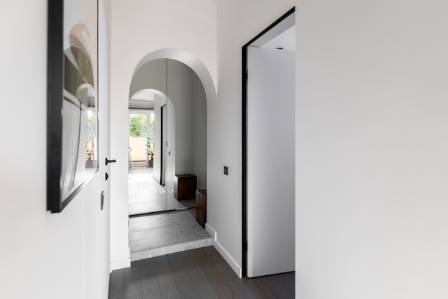
Entryways and foyers often contain strange corners that are surprisingly difficult to decorate. Furniture may be too large, too narrow, or simply not practical enough for the available area. Odd angles, limited floor space, and inconvenient dimensions can make finding the right piece feel almost impossible.
CRAFT · en

Visual Identity: Strategic Wardrobe Choices for Personal Branding
Within the framework of personal branding, your choice of attire serves as a potent instrument of communication. Every garment conveys a silent yet significant message regarding your identity and professional values. Whether your objective is to radiate command, artistic flair, or warmth, your clothing profoundly impacts how you are interpreted by others. By understanding the intersection of fashion and perception, you can deliberately curate an image that aligns with your goals.
CRAFT · en

12 Fascinating Facts About the George Washington Bridge
The bridge links sites rich in Revolutionary War history: on one side, the Manhattan side near Fort Washington, and on the other, Fort Lee in New Jersey. Prior to his famed crossing of the Delaware, George Washington had earlier fled the area after an unsuccessful campaign, falling back from Whit e Plains. A few days later Fort Lee would also come under British control.
CRAFT · en

From Funnel Necks to Faux Furs: 6 Dominant Winter Coat Trends of 2025
Winter fashion often feels like a battle between warmth and style: as temperatures drop, layers pile up, and the effortless outfits of fall get hidden under bulky, forgettable outerwear. But this season, the winter coat emerges as the ultimate style savior – it’s not just a functional layer to shield you from the cold, but the first thing people notice, the statement piece that elevates your entire look, and the item you’ll reach for more than any other in your closet until spring. The best winter coats strike a perfect balance between function and fashion, working seamlessly with your existing wardrobe rather than competing against it. Whether you’re pairing it with your go-to denim, layering it over a favorite fall dress, or throwing it over a work outfit, the right coat can refresh your staples without requiring a complete wardrobe overhaul. This year, the top winter coat trends have taken over fashion capitals like New York, Paris, London, and Milan, and been spotted on style icons from Jenna Ortega to Alicia Silverstone – proving that a great coat has the power to transform any look. Below, discover the six must-have winter coat trends of 2025, each blending timeless appeal with modern flair to keep you chic and cozy all season long.
CRAFT · en

Top 5 Waterfalls
Waterfalls have always fascinated me, whether they are tiny streams cascading gently over a handful of rocks or enormous rivers crashing down from great heights. I have never had any desire to experience a waterfall from inside a barrel, though. I am much happier appreciating their beauty and raw power safely from solid ground.
CRAFT · en

Basic information & taxonomy
Common names: Western rockhopper penguin (sometimes also lumped with “southern rockhopper penguin”) Scientific name: Eudyptes chrysocome (Forster, 1781)