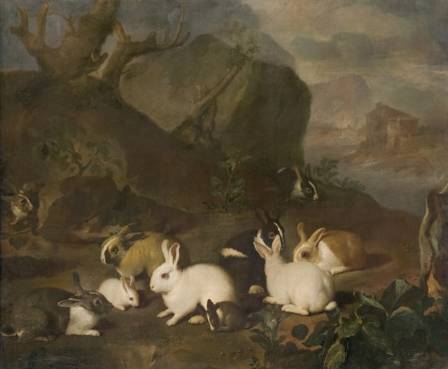
Stall note
Easter Special: The Top Five Rabbits in Art
Rabbits have inspired a wide range of artworks, appearing in contexts from religious paintings to cartoons. They have been depicted as both mysterious and mischievous. Here is a selection of the most notable rabbits in art.
Isolde Fairchild
Curator note
Stall tip
The full note continues below on the linen catalog desk.
Aisle
Stall Desk
Rabbits have inspired a wide range of artworks, appearing in contexts from religious paintings to cartoons. They have been depicted as both mysterious and mischievous. Here is a selection of the most notable rabbits in art.
Titian's Madonna of the Rabbit
One of the most beautiful rabbits in art appears in Titian’s Madonna of the Rabbit at the Louvre. The white bunny evokes tenderness and childhood innocence while also carrying theological meaning as a symbol of the mystery of the Incarnation. In Renaissance paintings, the young Christ is often shown with animals, from birds to cats, but Titian’s rabbit captures one of the most natural and charming childhood scenes in religious art.
Albrecht Dürer's 1502 Rabbit or Hare
Albrecht Dürer’s 1502 work focuses entirely on a rabbit—or perhaps a hare—without including humans or landscapes. Unlike Titian, who places the rabbit within a human-centered scene, Dürer examines the creature on its own, creating a sense of enigma. Viewers are drawn to wonder about the animal’s thoughts and perceptions, making this a serious and contemplative depiction of a rabbit.
John Tenniel's White Rabbit in Alice in Wonderland
John Tenniel’s Victorian illustration of the White Rabbit from Lewis Carroll’s Alice in Wonderland presents a rabbit in human clothes, standing upright and observing a pocket watch. Tenniel’s meticulous rendering gives the rabbit an uncanny realism that has fascinated audiences for generations. Moving away from Titian’s familiar family scene, the rabbit in this illustration takes on a more surreal and imaginative role.
Jeff Koons's Rabbit
Jeff Koons’s Rabbit is cast from an inflatable toy and finished in reflective silver. This work transforms a simple bunny into a surreal, almost ethereal figure. The shiny, untouchable surface makes it a metaphor for art itself—light, form, and reflection rather than something tangible. Koons’s creation challenges viewers to reconsider perception, giving the rabbit a dreamlike quality.
Bugs Bunny
Finally, there is Bugs Bunny, the iconic animated rabbit created in the late 1930s by a team including Tex Avery. With his slender design, wisecracking personality, and constant energy, Bugs represents the ultimate expression of the rabbit in modern popular culture. In contrast to cute mice or mischievous cats in cartoons, Bugs Bunny embodies freedom, cleverness, and heroism, cementing the rabbit as a symbol of spirited individuality.
These five examples show the diverse ways artists have represented rabbits, from symbols of innocence and spirituality to figures of humor, imagination, and cultural iconography. They demonstrate the enduring fascination with this simple yet versatile creature in the history of art.
More from this aisle
CRAFT · en
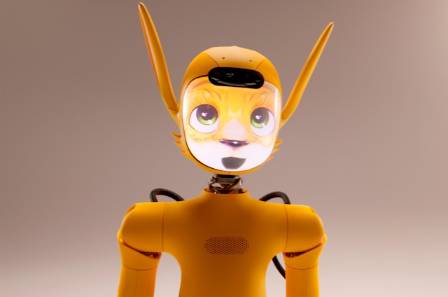
Five Astonishing Animal-Inspired Robots Pushing the Boundaries of Technology
The natural world has become a profound source of inspiration for modern robotics, leading to the creation of artificial intelligence that mimics the incredible capabilities of the animal kingdom. These biomimetic machines are designed to undertake specialized tasks that were once thought impossible for traditional hardware. From soft-bodied explorers to tiny swarms that fit on a fingernail, these five technological marvels represent a high-tech safari into the future of engineering.
CRAFT · en

2025 Urban Fashion: Key Trends and Accessorizing Tips
Urban fashion has always been a means of self-expression, combining comfort, practicality, and bold visual appeal. As we enter 2025, the urban style landscape is changing, blending classic streetwear basics with modern trends and a growing focus on sustainability. Whether you’re refining your daily look or trying out new shapes, nailing urban style means knowing how to mix high-end and affordable pieces, layer different textures, and accessorize with self-assurance.
CRAFT · en
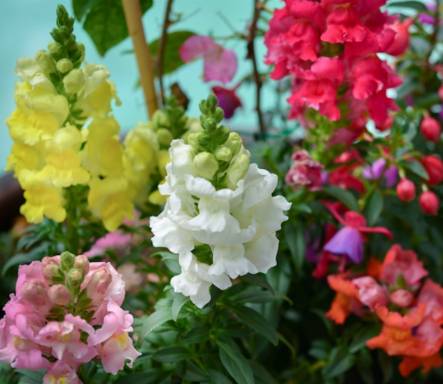
Antirrhinum majus: From Greenhouse Production to Floral Arrangements
Snapdragon (Antirrhinum majus) belongs to the Scrophulariaceae family. The name Antirrhinum originates from Greek, meaning “nose-like,” referring to the distinctive form of its blossoms. Each flower is approximately 1¼ to 1½ inches long, with a tubular structure and rounded upper and lower lips. Depending on the variety, flowers may be single, double, or open-faced (commonly called “butterfly” types) that lack a defined lip.
CRAFT · en
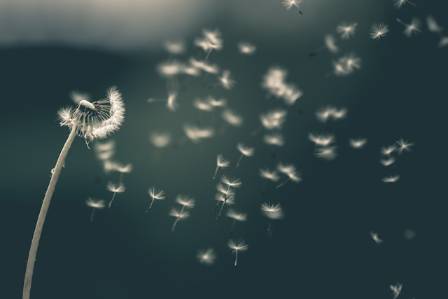
Dandelion Health Benefits: Nutrition, Antioxidants, and Anti-Inflammatory Properties
Dandelion leaves, roots, and flowers provide numerous health benefits, such as supporting liver function and reducing inflammation. Though often regarded as a persistent lawn weed, dandelion has been used in traditional medicine for centuries.
CRAFT · en
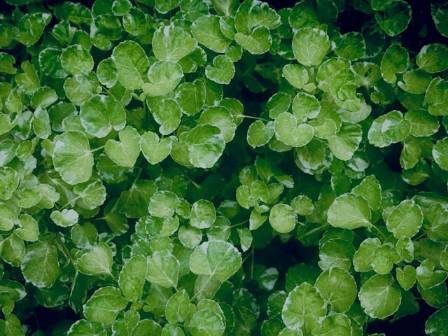
What's that Weed? Dollarweed!
Dollarweed, often called pennywort, is a warm-season perennial broadleaf weed that commonly appears in lawns and turf areas. It belongs to the parsley family and includes several related species, such as marsh pennywort, coastal plain pennywort, many-flowered pennywort, and whorled pennywort.
CRAFT · en

The Epic Story of Magnetic Tape: Past, Present and Future
Imagine a world with no way to preserve voices, music, or digital knowledge. Without magnetic tape, countless speeches, cultural treasures, and scientific breakthroughs might have vanished. This unassuming strip of coated plastic reshaped the way humans record, store, and protect information—and its journey is nothing short of extraordinary.